
a return to what
we left behind
where everything converges
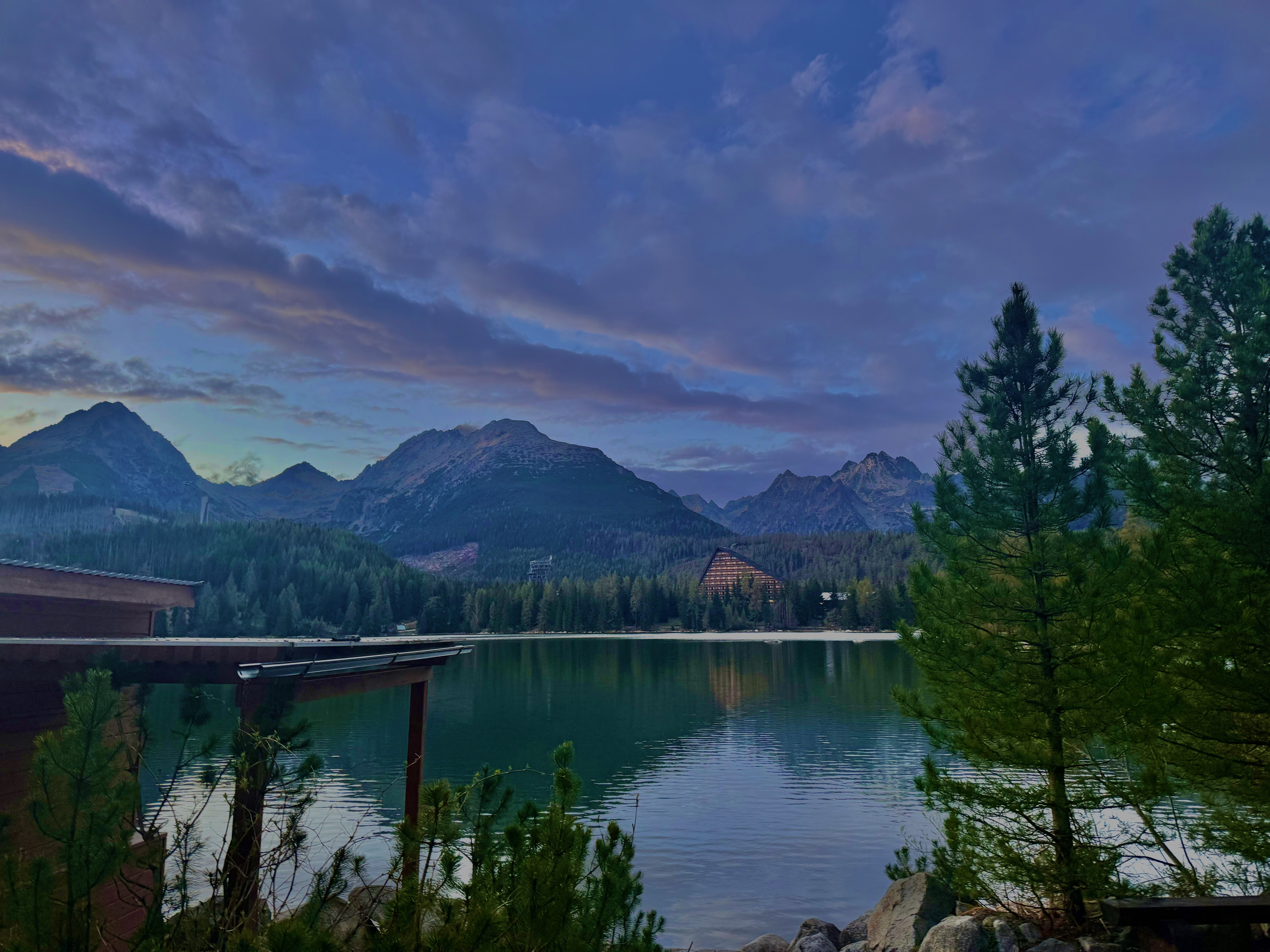
There is a place in the world where opulence and simplicity exist in the same breath. Where you eat caviar from silver at a Habsburg palace in the morning, and by afternoon you're on a wooden bench beside a mountain stream, pulling apart trout that was swimming in it three hours ago.
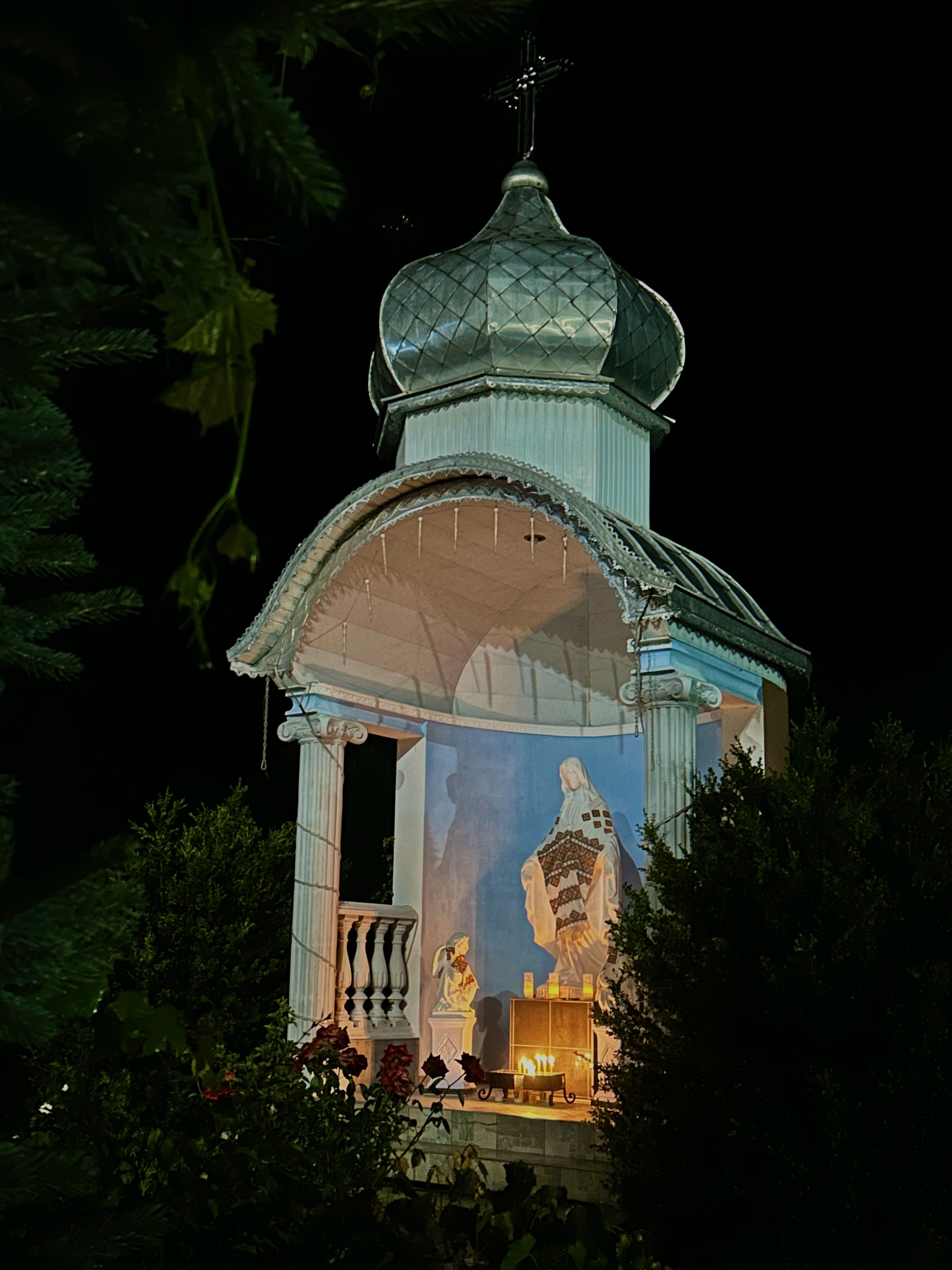
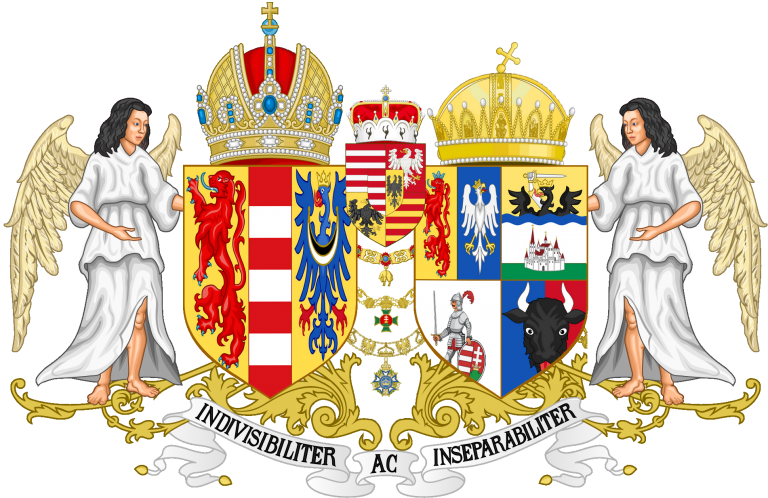
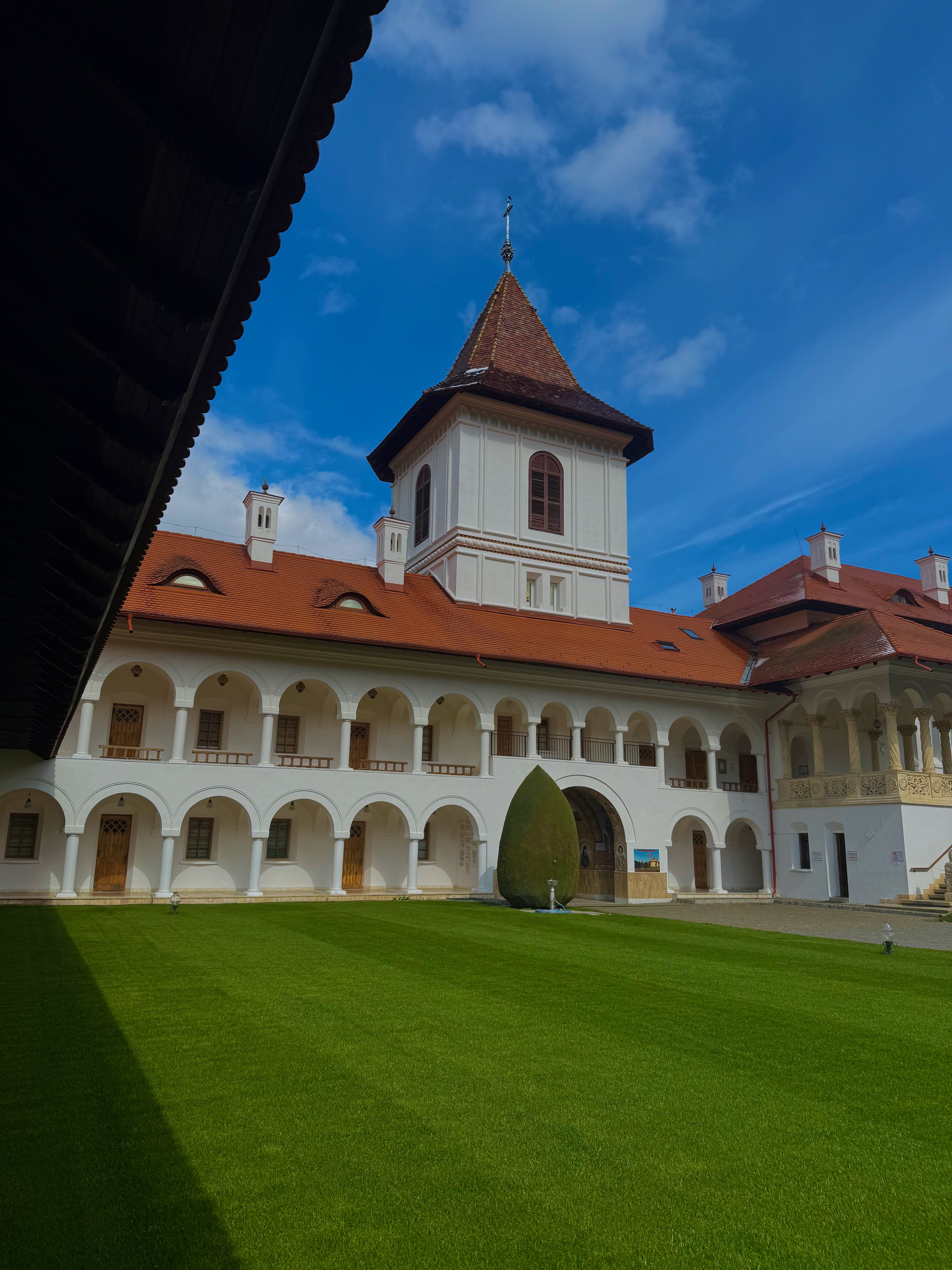
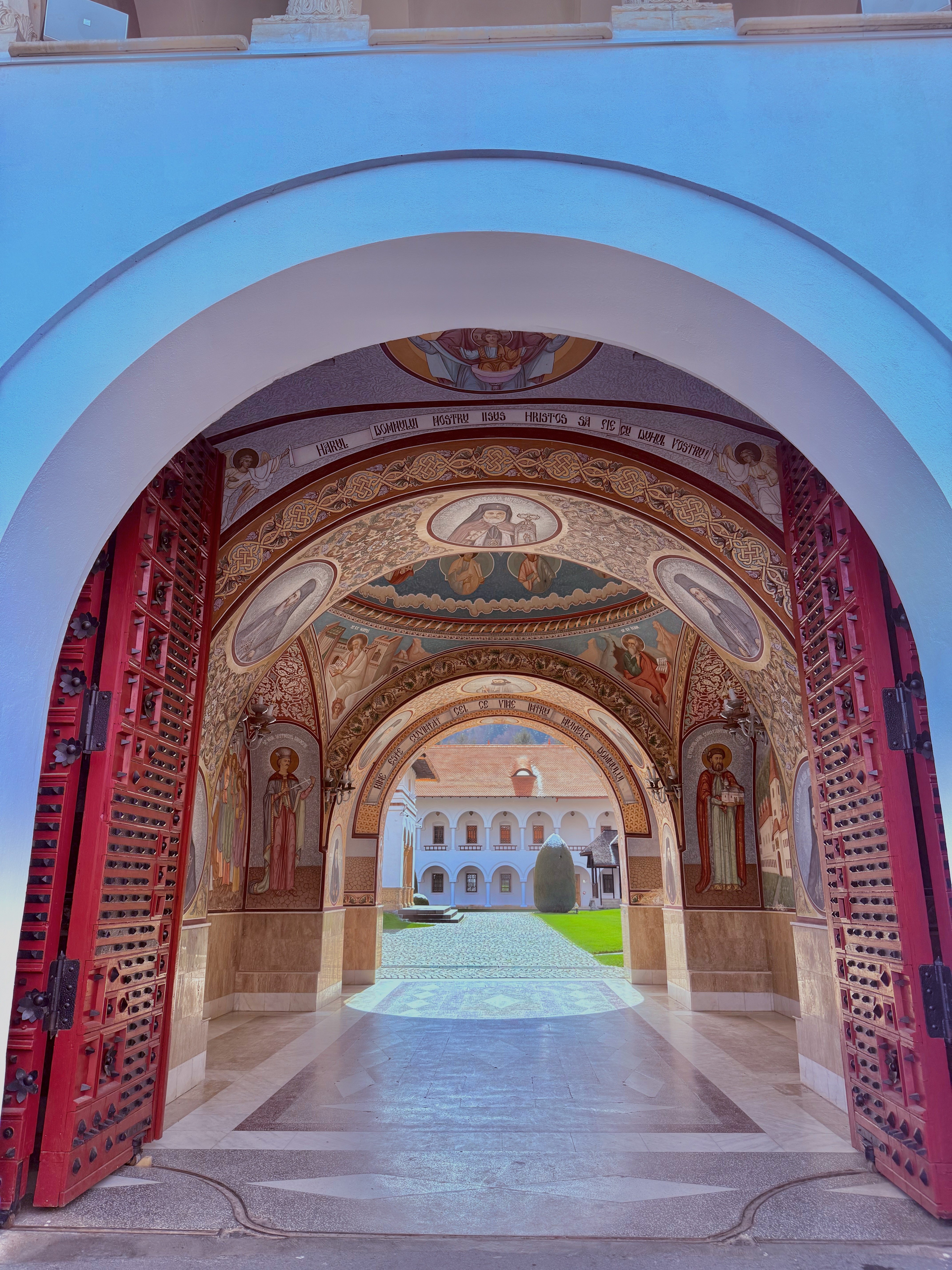
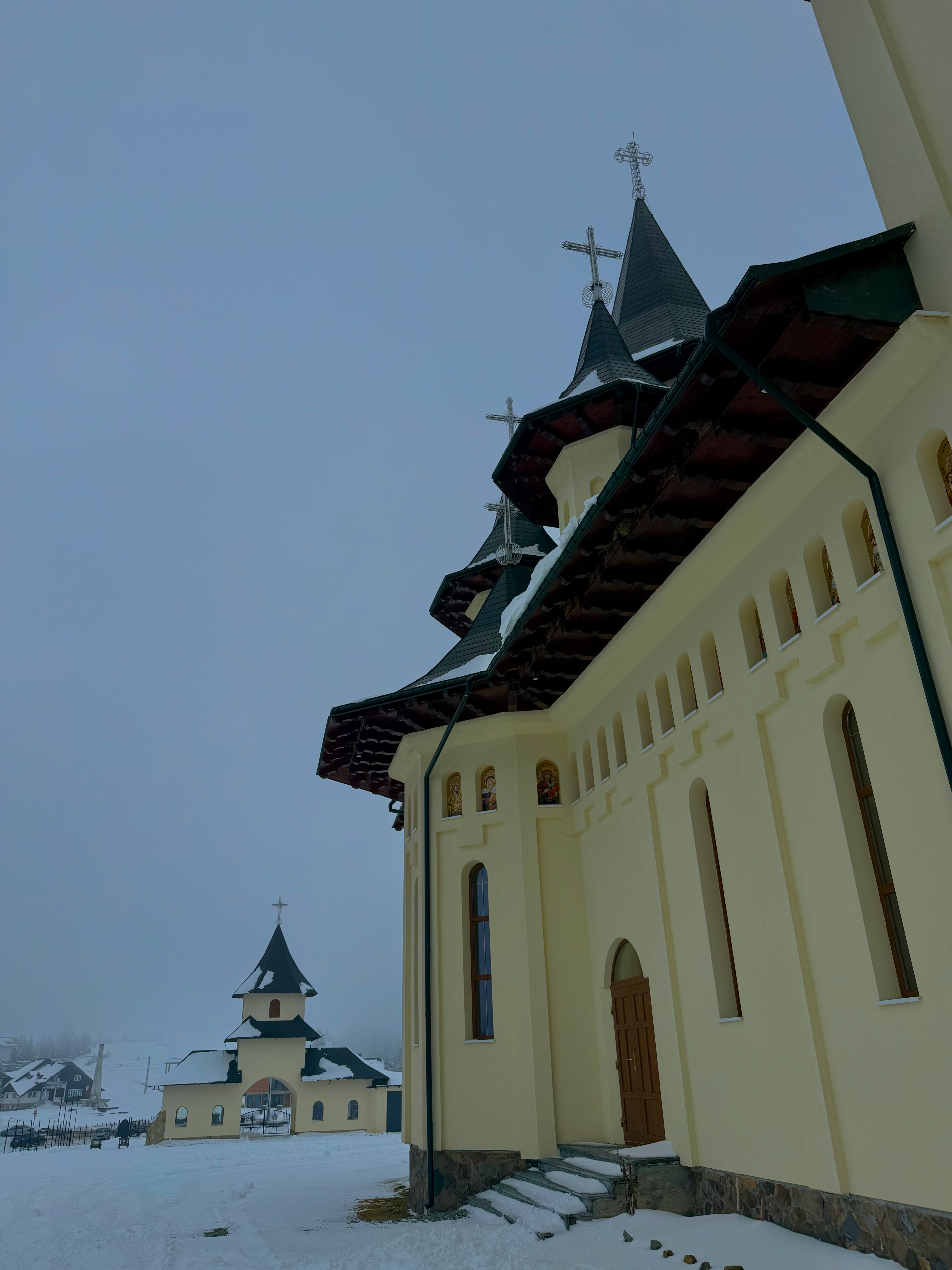
The Carpathian mountains hold this contradiction without any effort at all. Austro-Hungarian grandeur next to straw-thatched roofs. The intellectual severity of the metropolitan intelligentsia and the radiant, unselfconscious joy of village people who have never once wondered whether they are happy. Mysticism that seeps from the mountains themselves, from the mineral springs and the ancient beech forests and the churches with silver domes that look like prayers rising from the earth.
I have spent my entire life reaching for this place. Not a geographic coordinate. A frequency. A way of being that the modern world has almost entirely forgotten, and that the Carpathians have been quietly keeping alive for six hundred years.
the land between
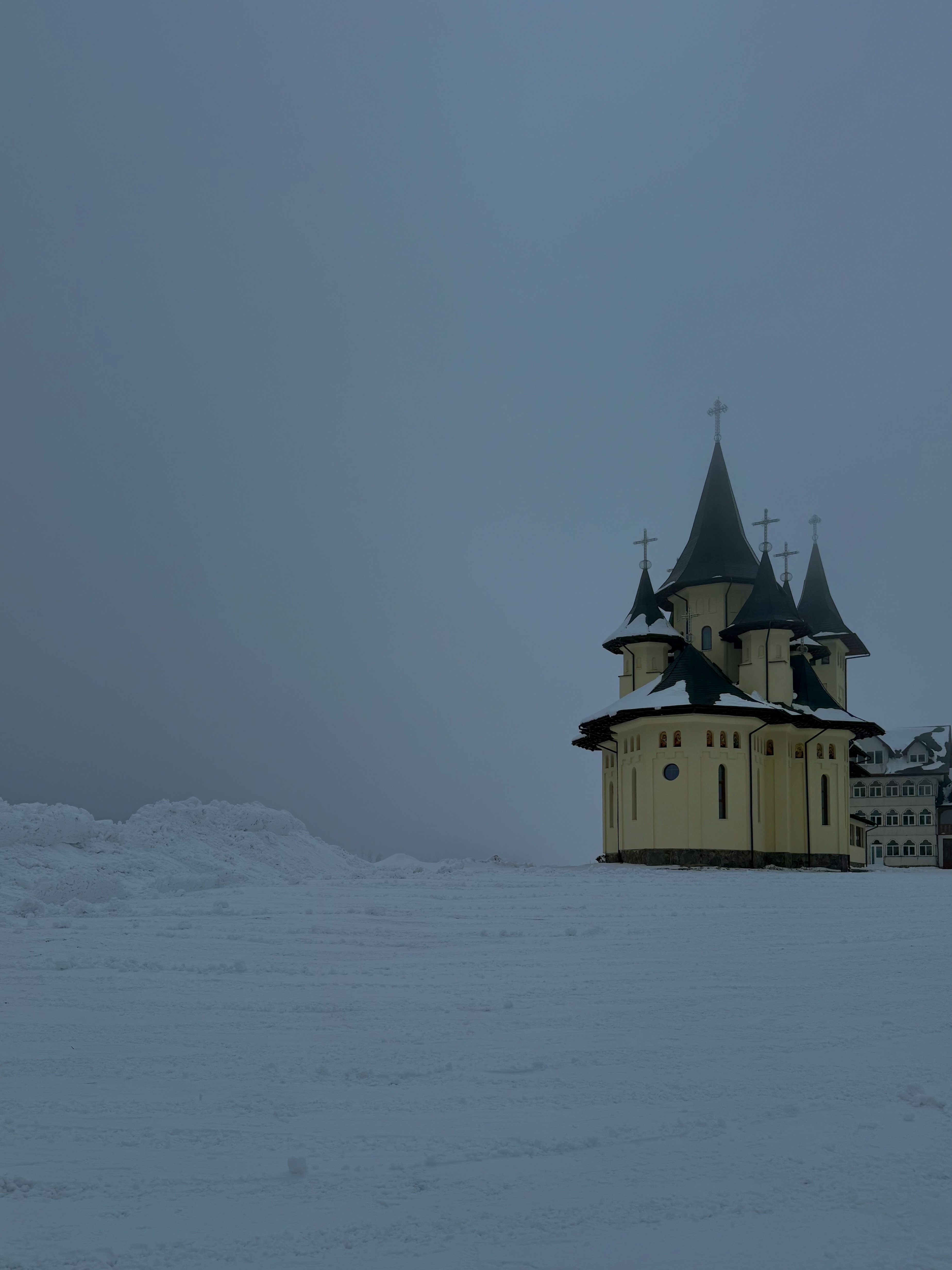
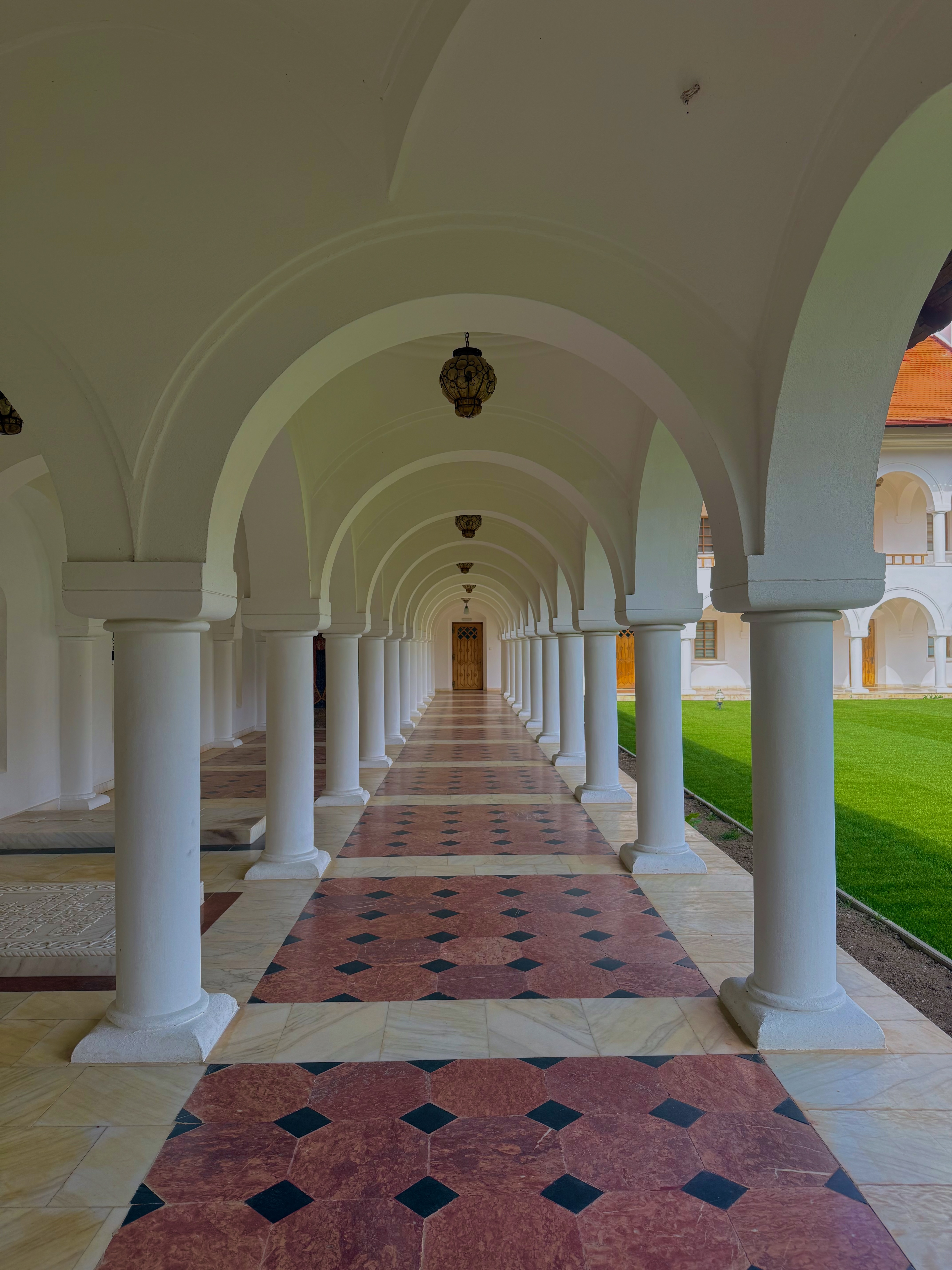
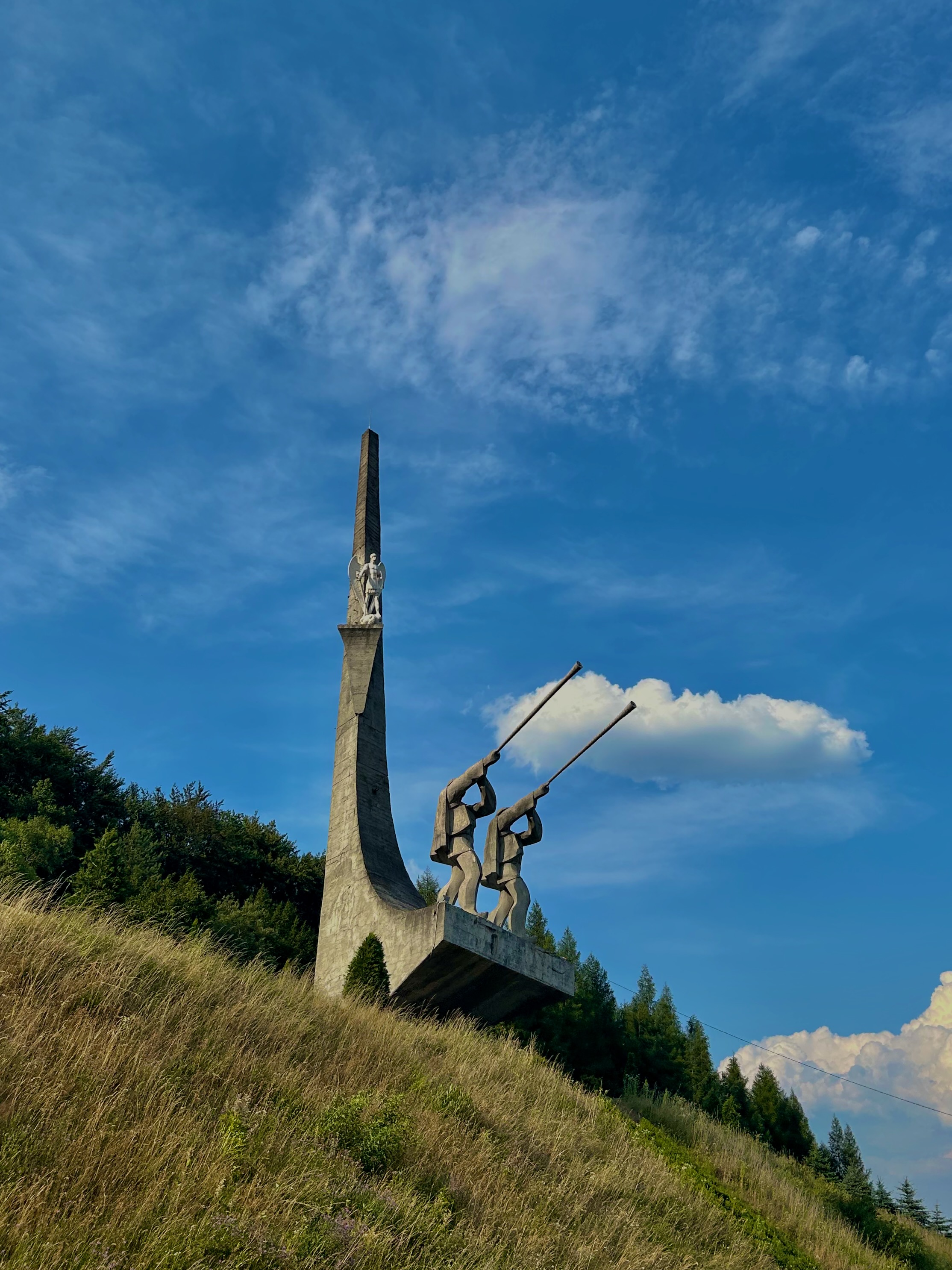
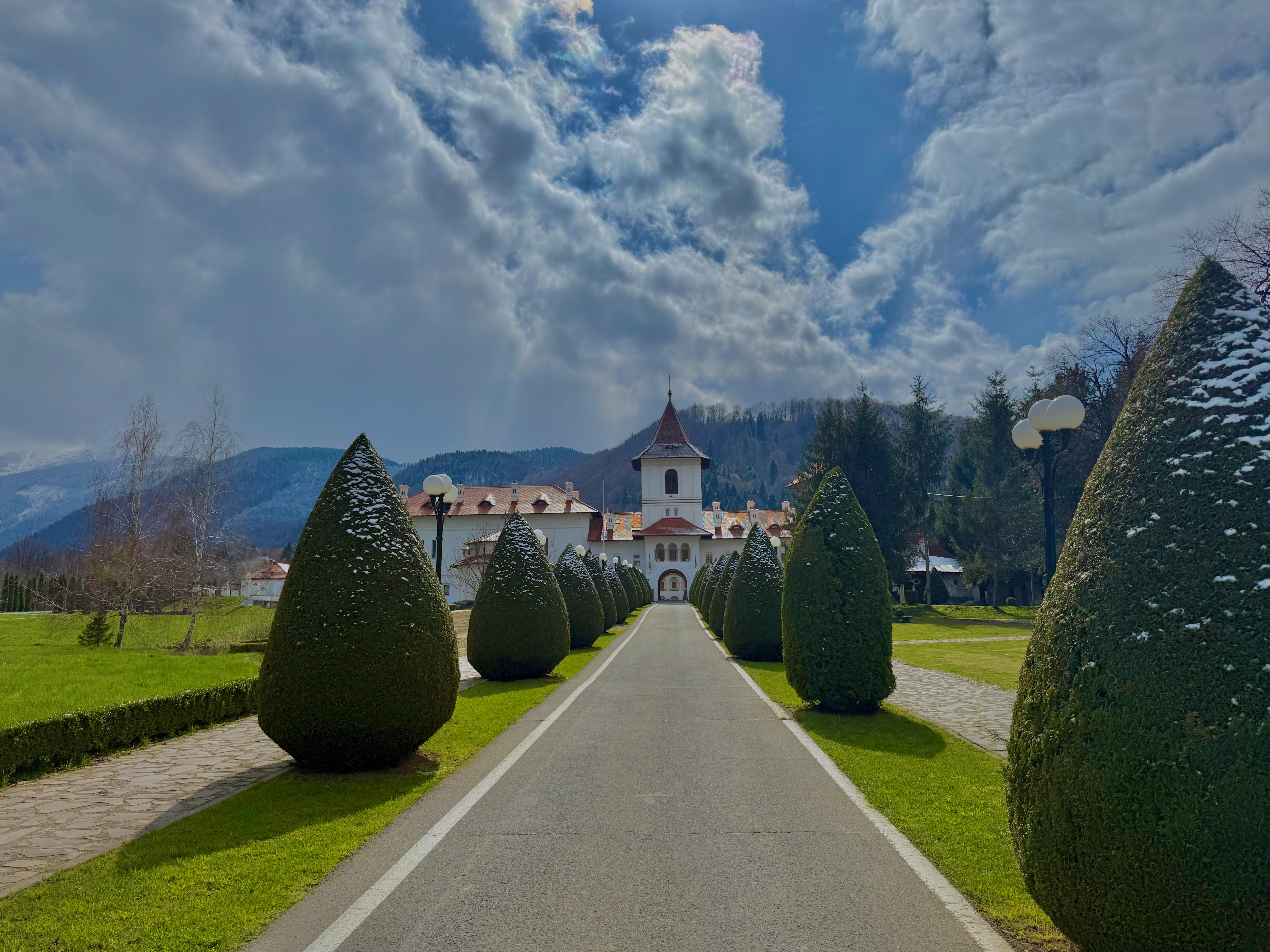
between two worlds
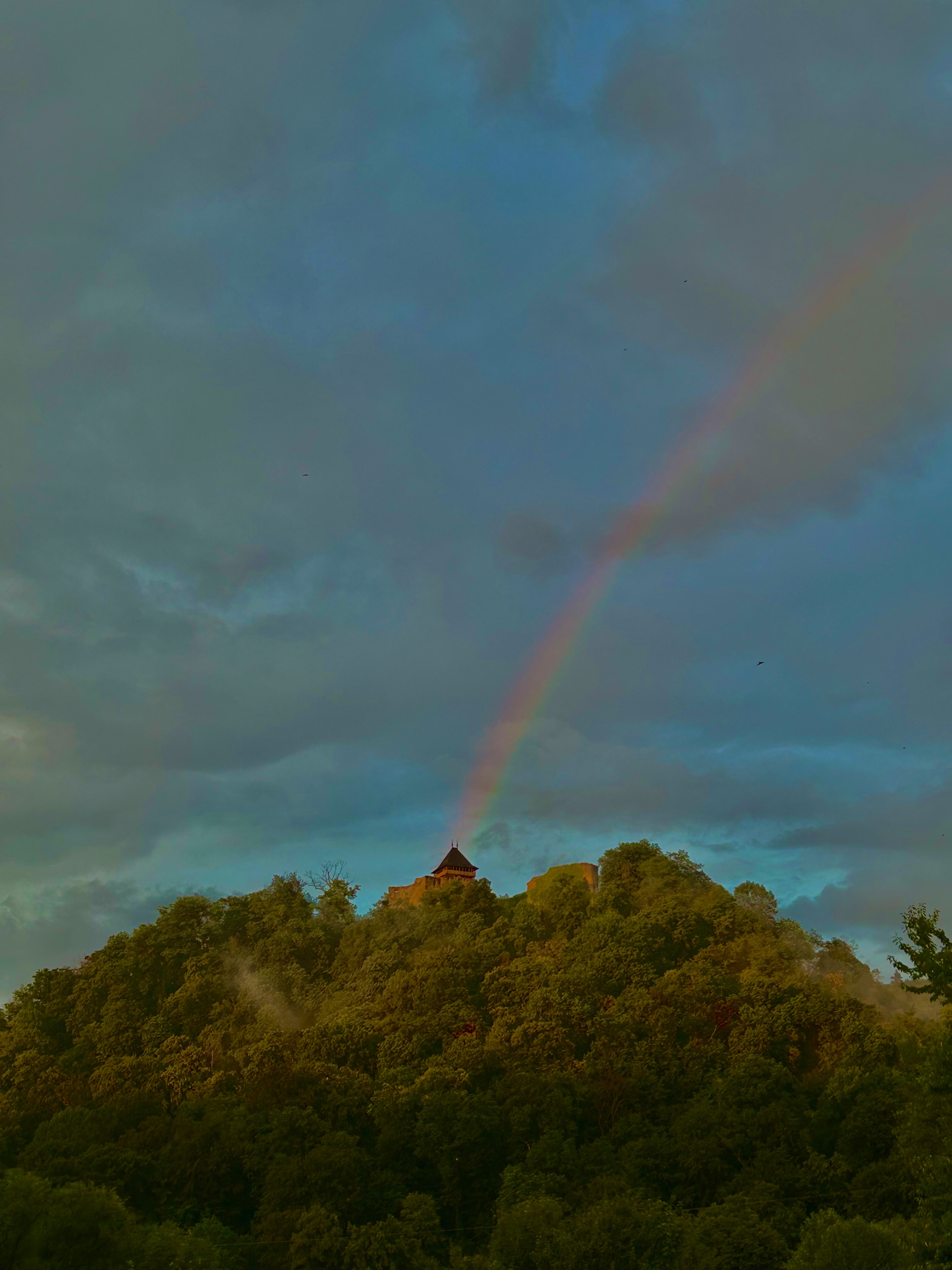
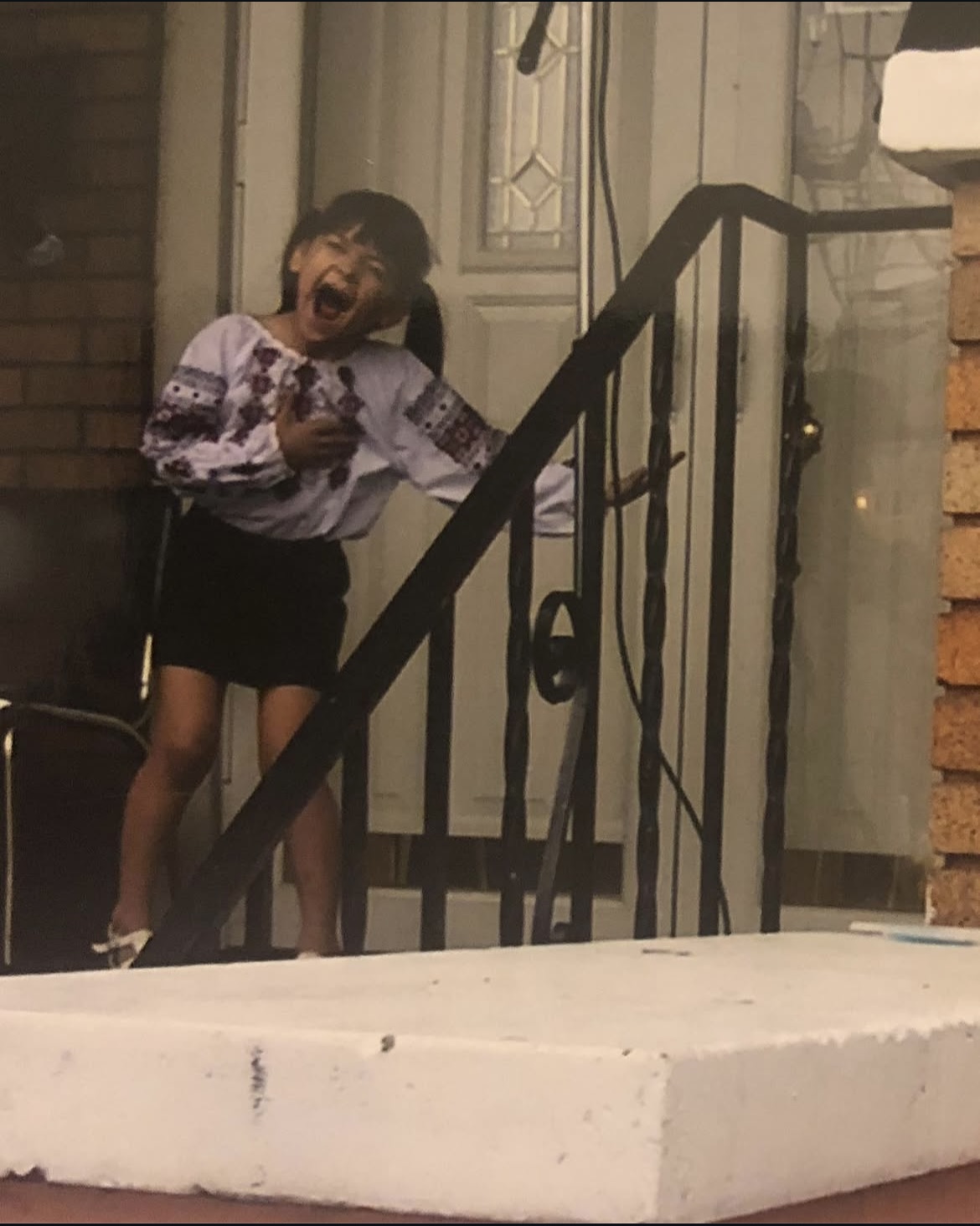
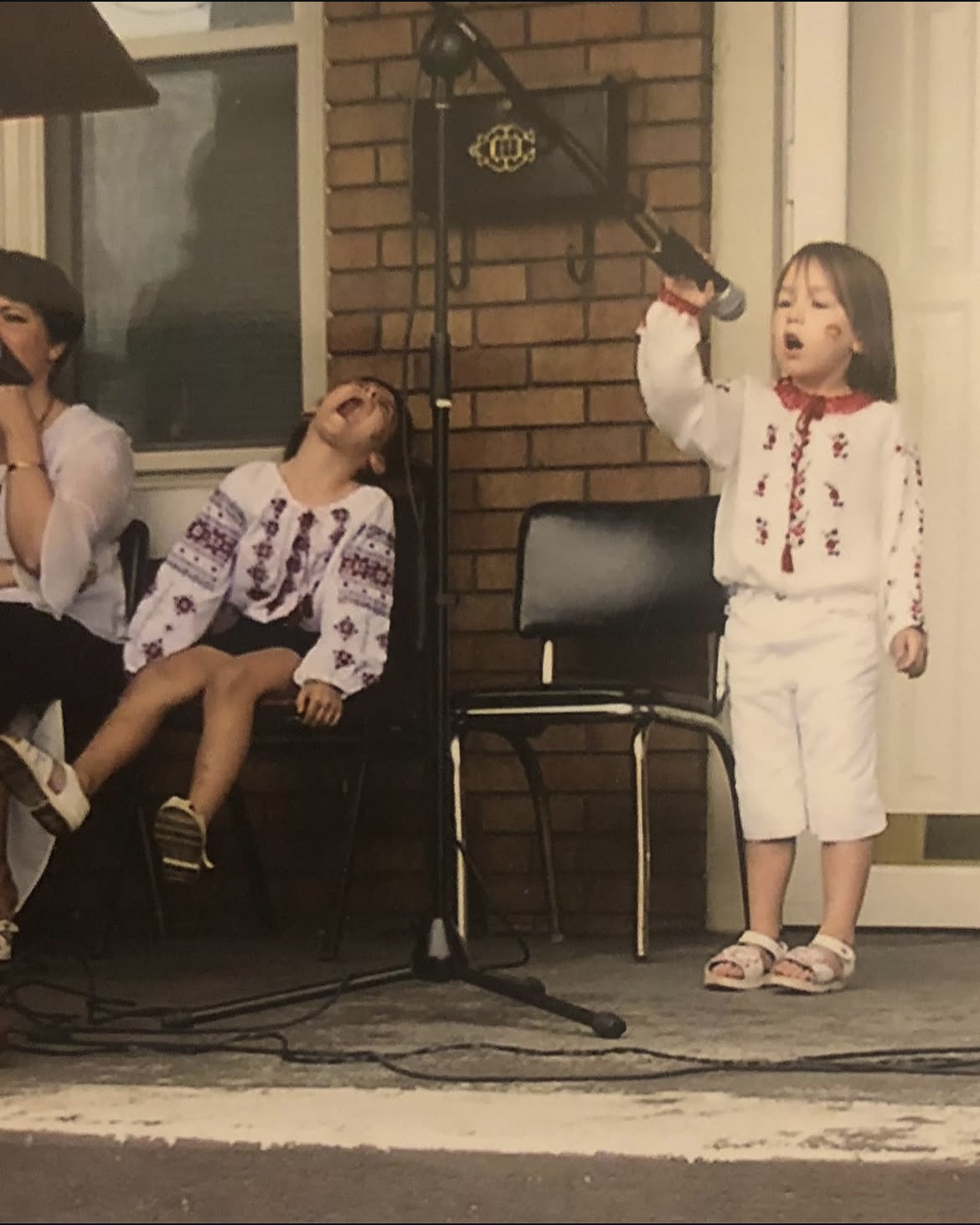
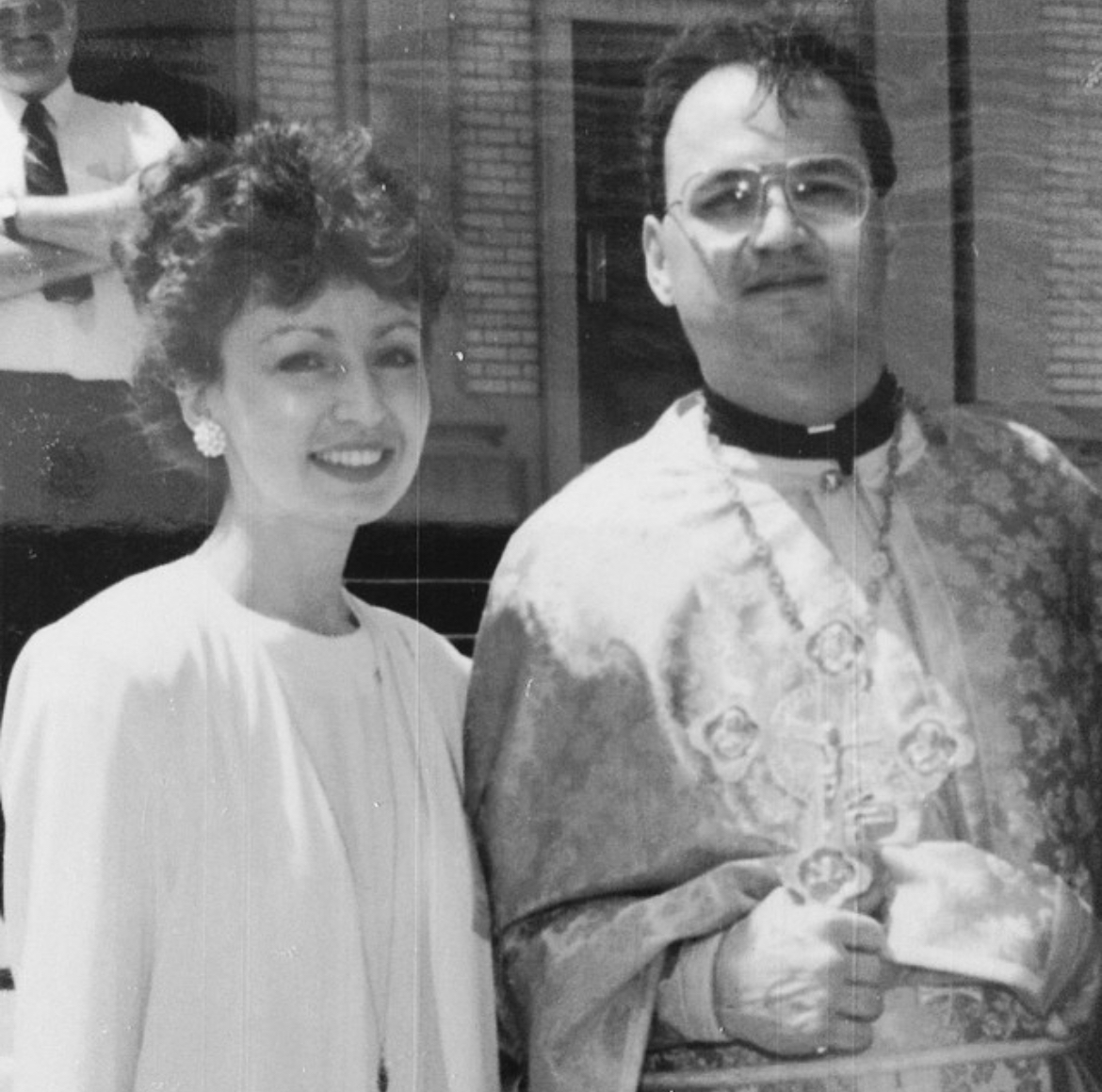
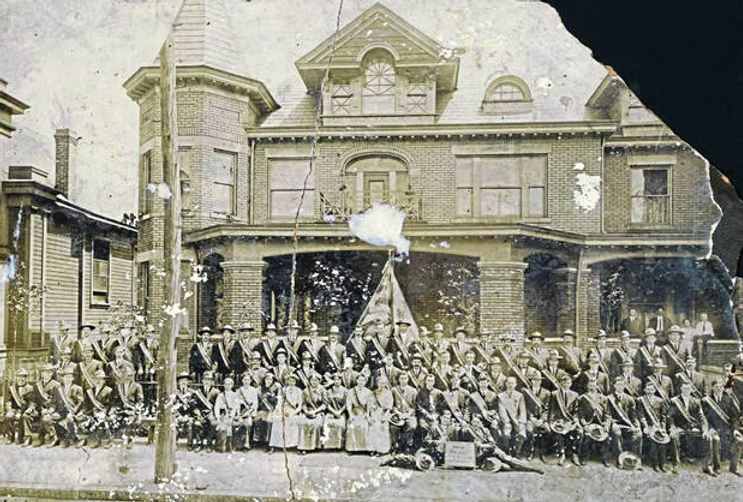
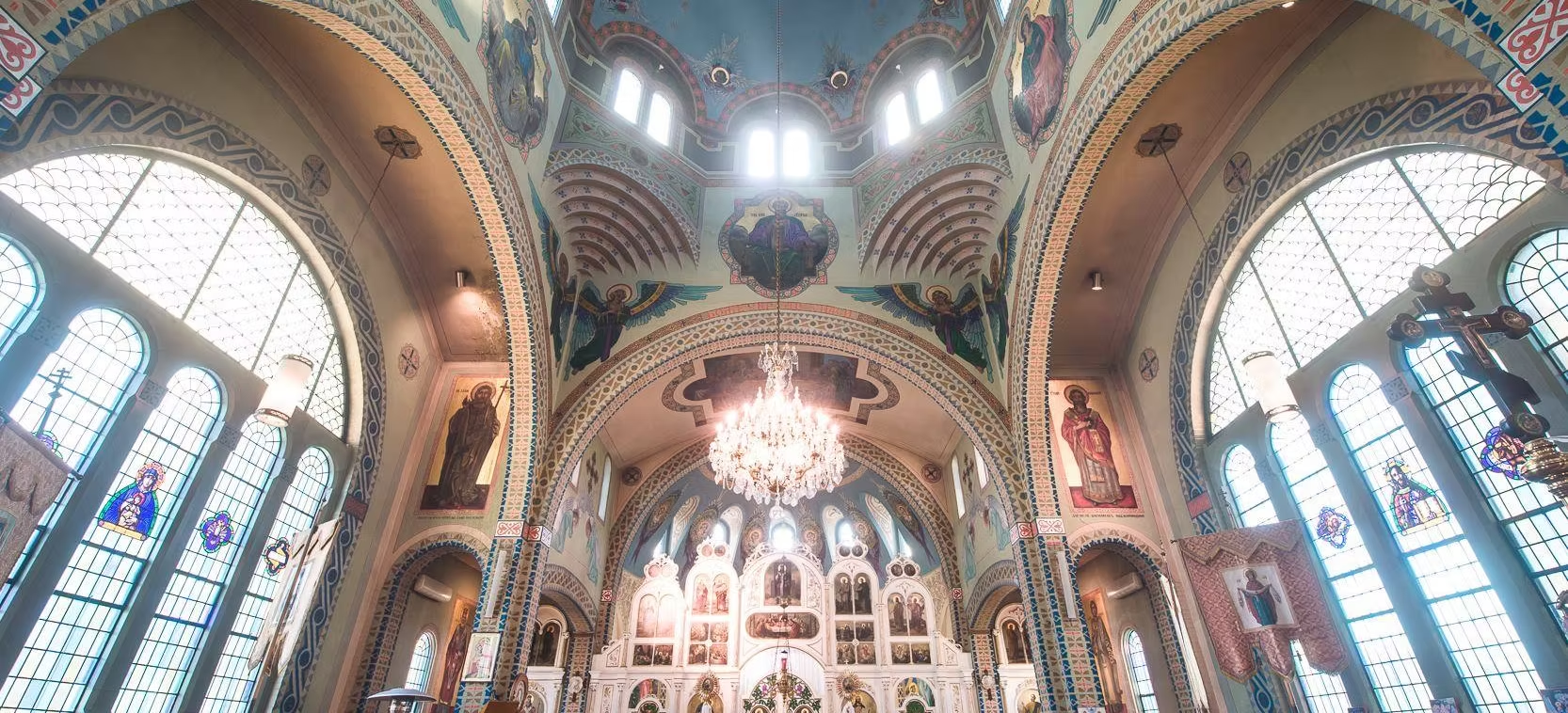
I grew up between two worlds. My mom is a pianist from the Carpathians of Ukraine who left the Soviet Union in 1989. My dad is a mill hunky and Orthodox priest who has served for over 25 years at the first cathedral built by Ukrainian diaspora in 1906 — ten thousand families at its peak, almost shuttered by the time he got there. I grew up in the rectory next door to that cathedral, between coal towns and church basements, and spent my summers in the Carpathian highlands with my mother's family.
I never fully belonged in either place. If you've ever grown up between two cultures, you know the ache — not homesickness, because you've never been to the home you're sick for. Something deeper. A frequency your body recognizes but your mind can't name.
Then, as a child, I went to the mountains. And the ache had a source. The people there moved through the world with a quality I had never encountered — a wholeness, a quiet joy that had nothing to do with comfort and everything to do with belonging.
the long way home
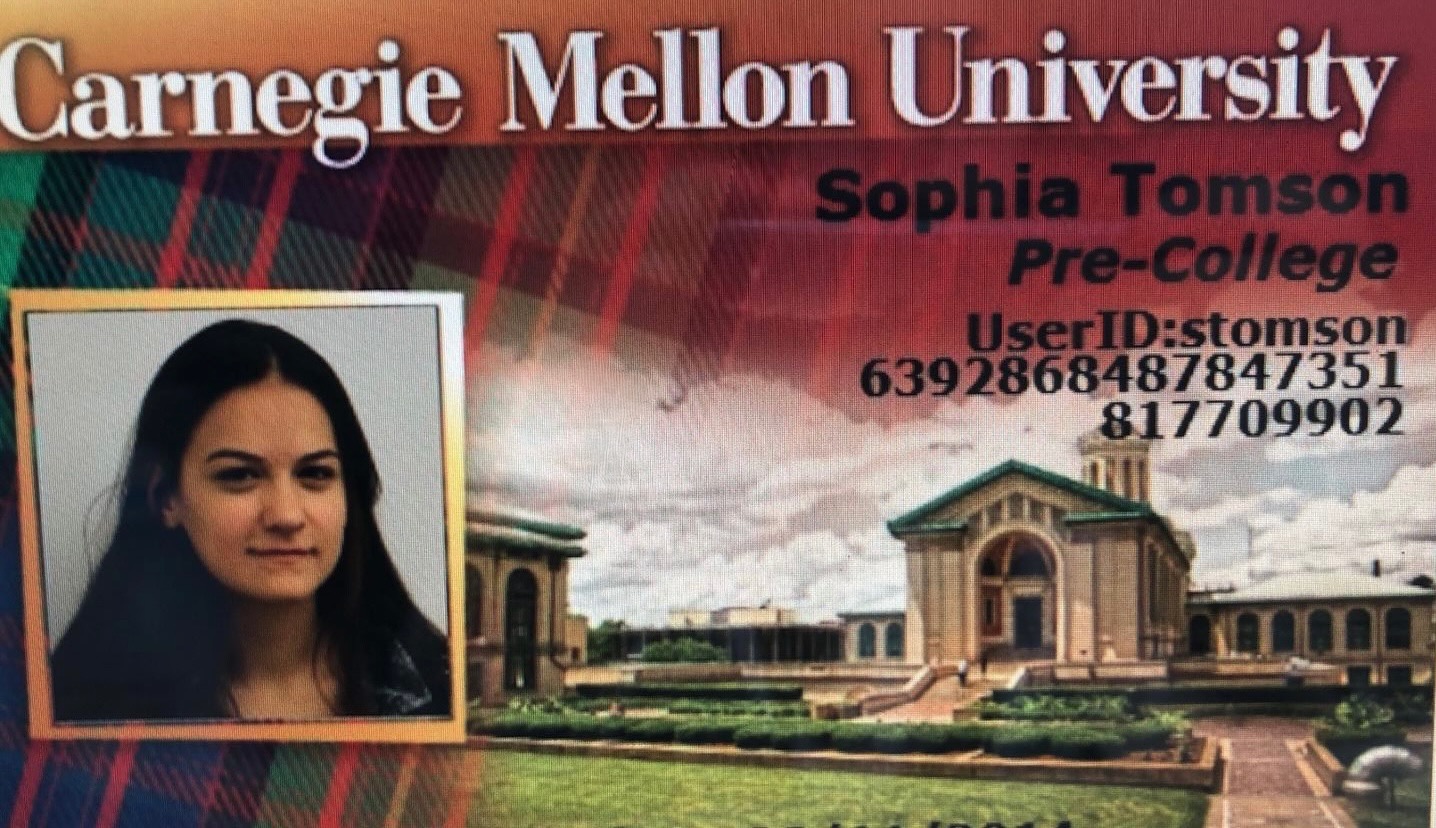
I studied data science at Carnegie Mellon, finance at Penn State's Schreyer Honors College, computer engineering at UC Santa Barbara. I have always understood systems — how information flows, where value accumulates, what architectures endure and which ones collapse under their own weight.
But I did not understand myself.
Somewhere between the third university and the fourth programming language, the architecture I was building stopped making sense. Not the systems — the systems were elegant. It was the life around them. The fluorescent-lit optimization of everything. The unspoken agreement that the point of understanding the world was to extract from it. I became disillusioned with the premise itself — that knowledge was a credential, that learning was a pipeline, that the mind was just another instrument of production.
I left academia the way you leave a room where the air has gone wrong — not dramatically, just quietly, and all at once. The institutions were fine. I was the one who didn't fit. I had spent years learning how to optimize systems and it had never occurred to anyone to ask what the systems were for.
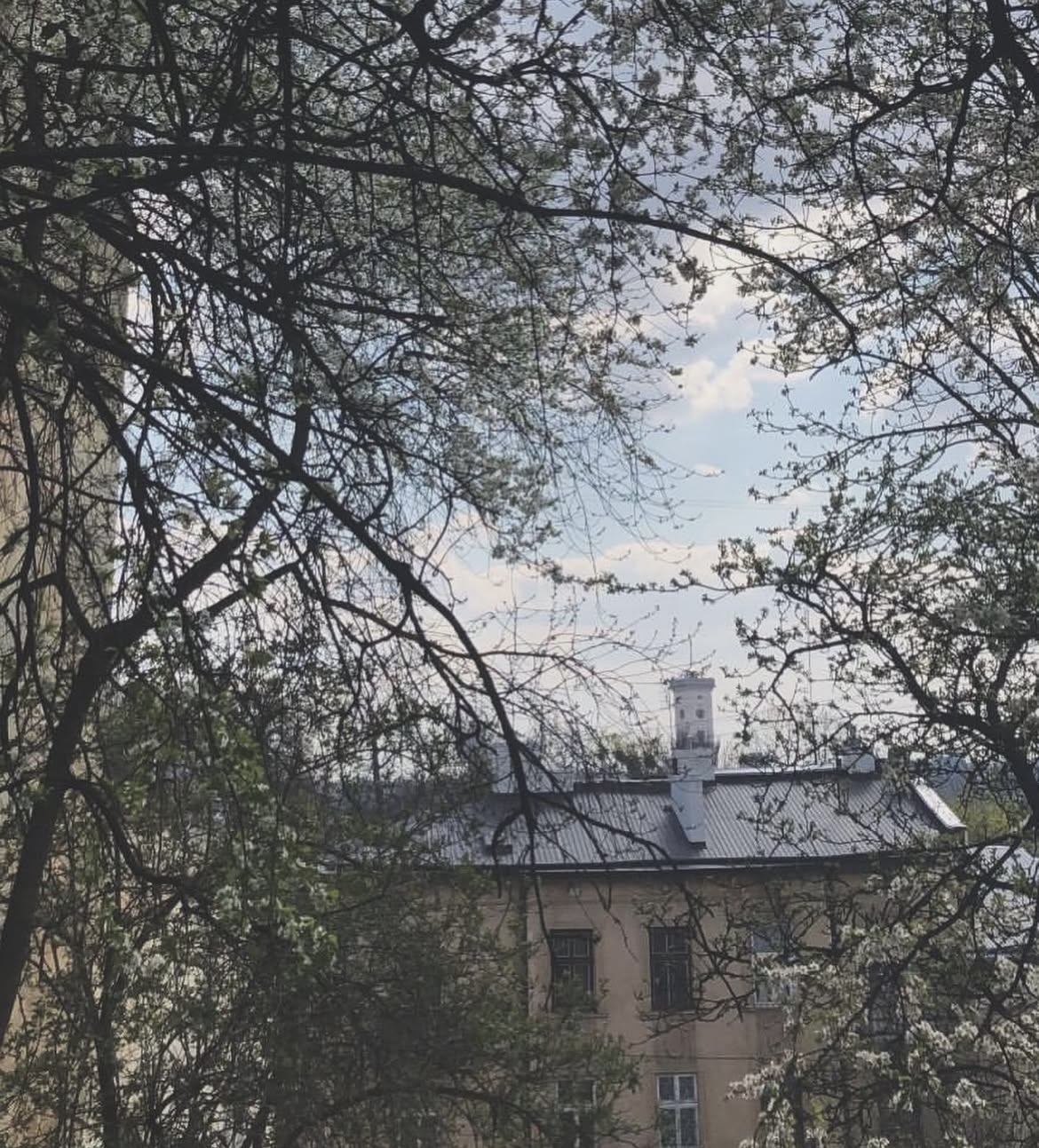
I went to Europe with a one-way ticket and no plan. I lived in Lviv for a year. I rented a flat on a street where the plaster was older than my country. I ate at restaurants in courtyards that had survived the Habsburgs and the Soviets and the oligarchs. I learned hospitality there — not the industry, the instinct. How a place can hold you. How beauty is not decoration but infrastructure. How a room that has been loved for two hundred years teaches you something no university can.
I felt, for the first time, like I was breathing with both lungs.
Then I came back to America and built a hospitality business from nothing. Dozens of properties across Pittsburgh, each one designed and furnished and managed down to the last towel fold. I was good at it. I was miserable.
What I learned is that American real estate is a machine designed to extract. The entire architecture of it — the landlords, the arbitrage, the relentless optimization of every square foot into margin — selects for a particular kind of ruthlessness. I watched people I worked with steal designs, break agreements, gut properties of the beauty I had put into them the moment my back was turned. Not because they were unusually cruel. Because the system rewards it. The incentive structure of American property is indifferent to beauty, hostile to craft, and deeply, structurally predatory. Every relationship is transactional. Every improvement is an asset to be captured. The people who thrive in it are the people willing to treat spaces — and the people in them — as line items.
I was creating beautiful spaces for strangers and watching the soul get sucked out of them by the economics. No story. No rootedness. No reason for any of it to exist beyond the margin. It was the opposite of everything I had felt in those Carpathian courtyards — where a building endures for three hundred years because someone loved it, not because someone leveraged it.
And so I walked away. Not gracefully. I crashed. I stopped being able to pretend that the hamster wheel led anywhere, and I let it throw me. The carefully constructed American life that had never quite fit came apart, and for the first time, I stopped trying to hold it together.
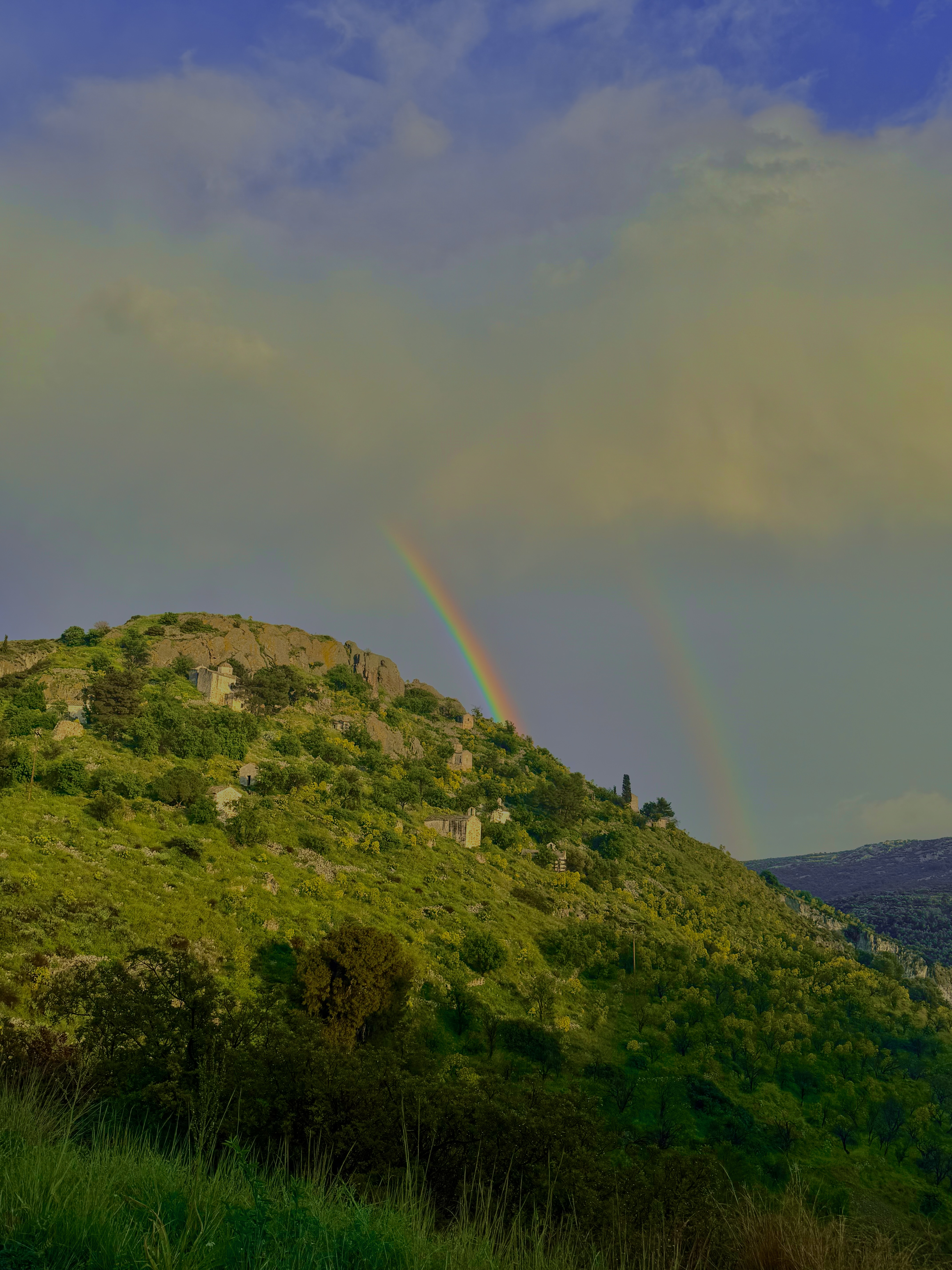
the pilgrimage
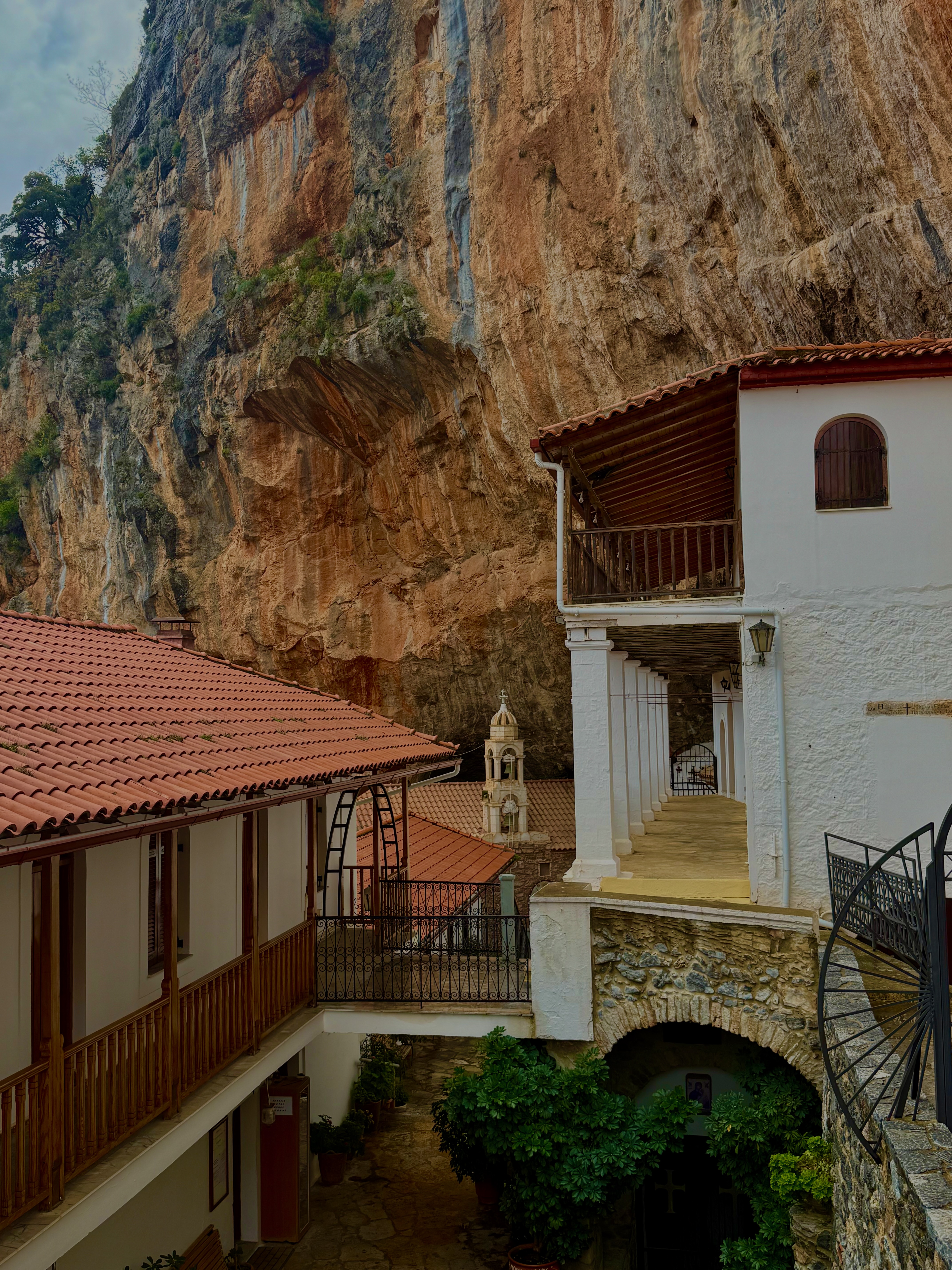
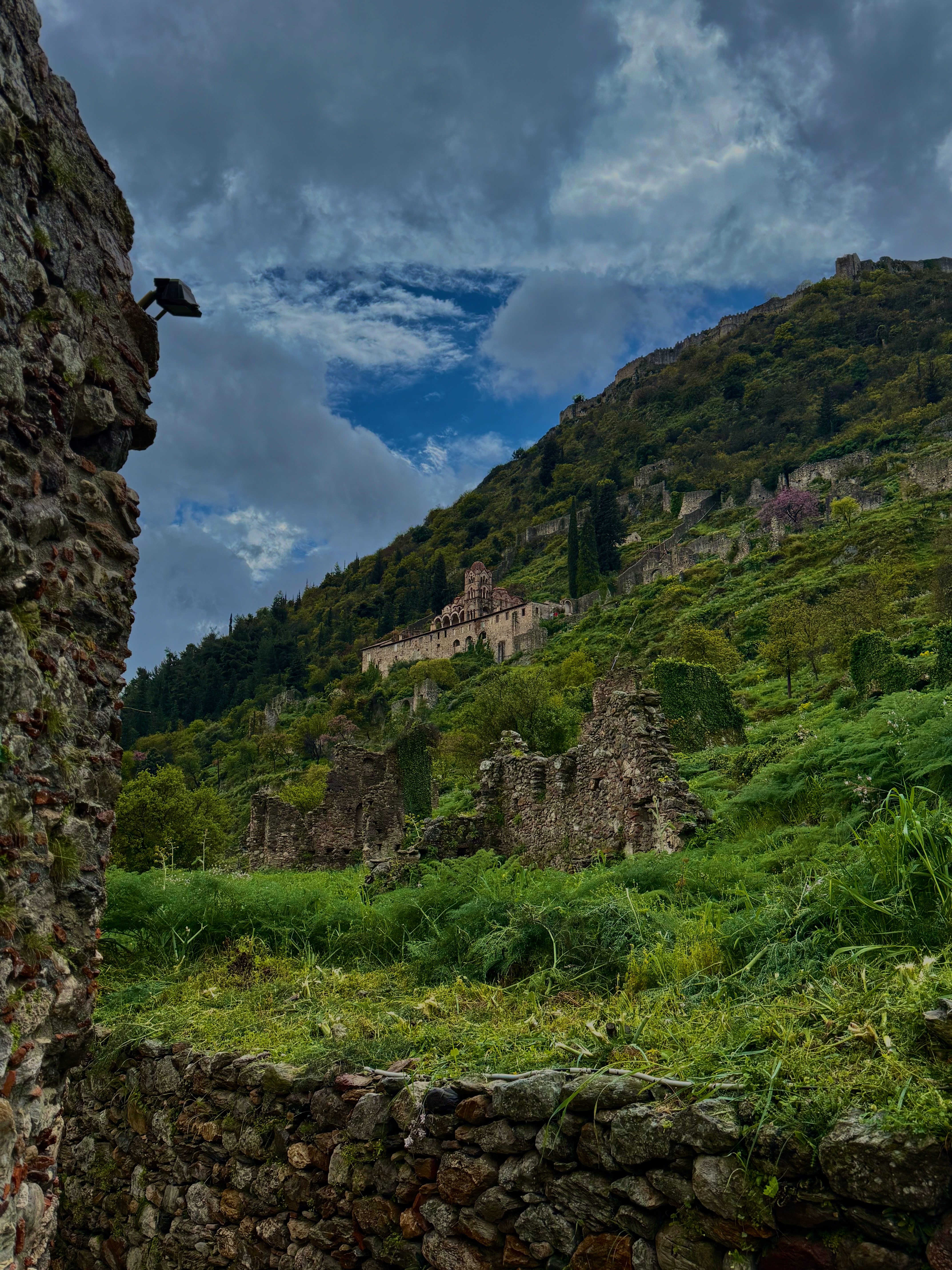
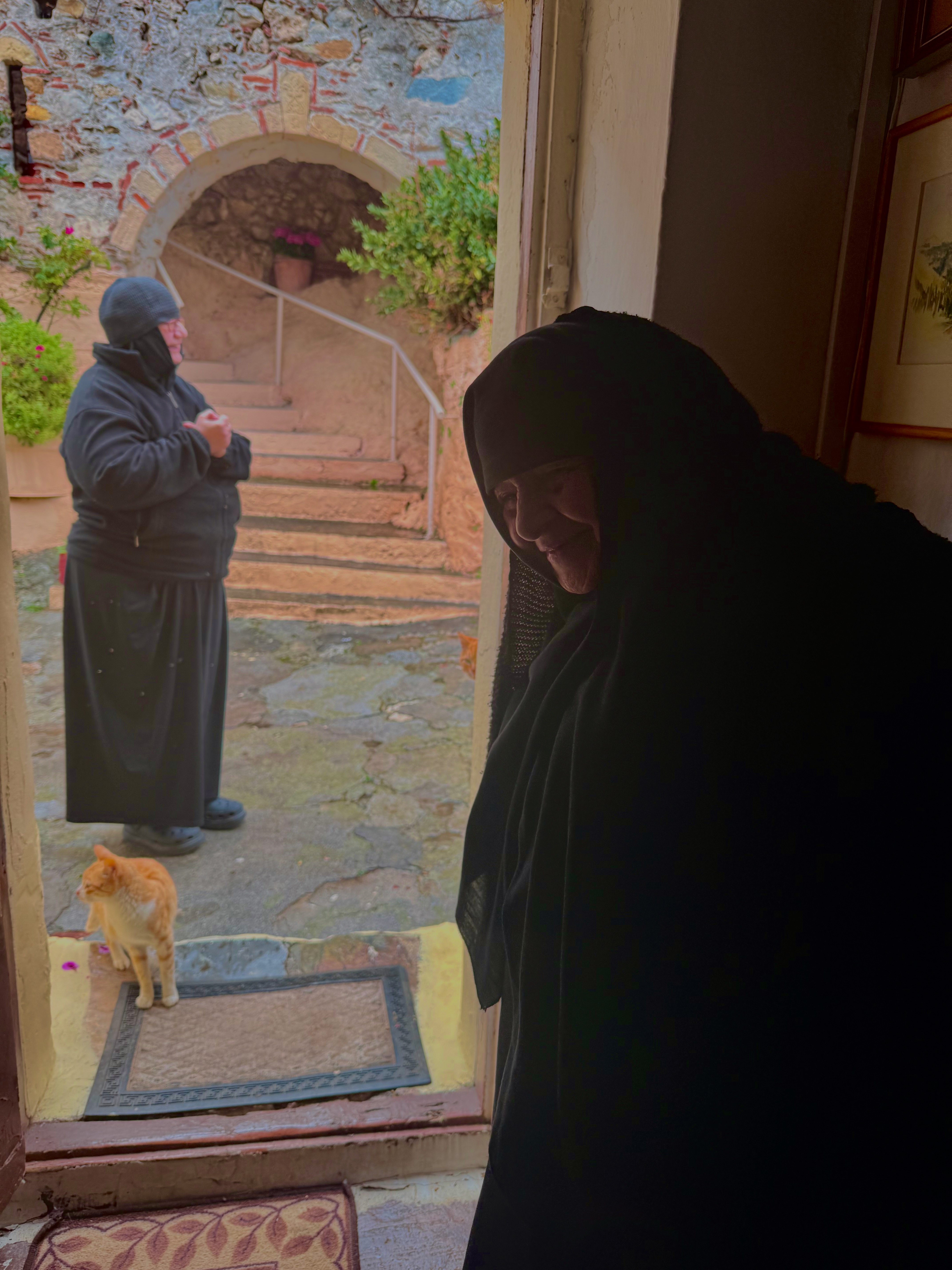
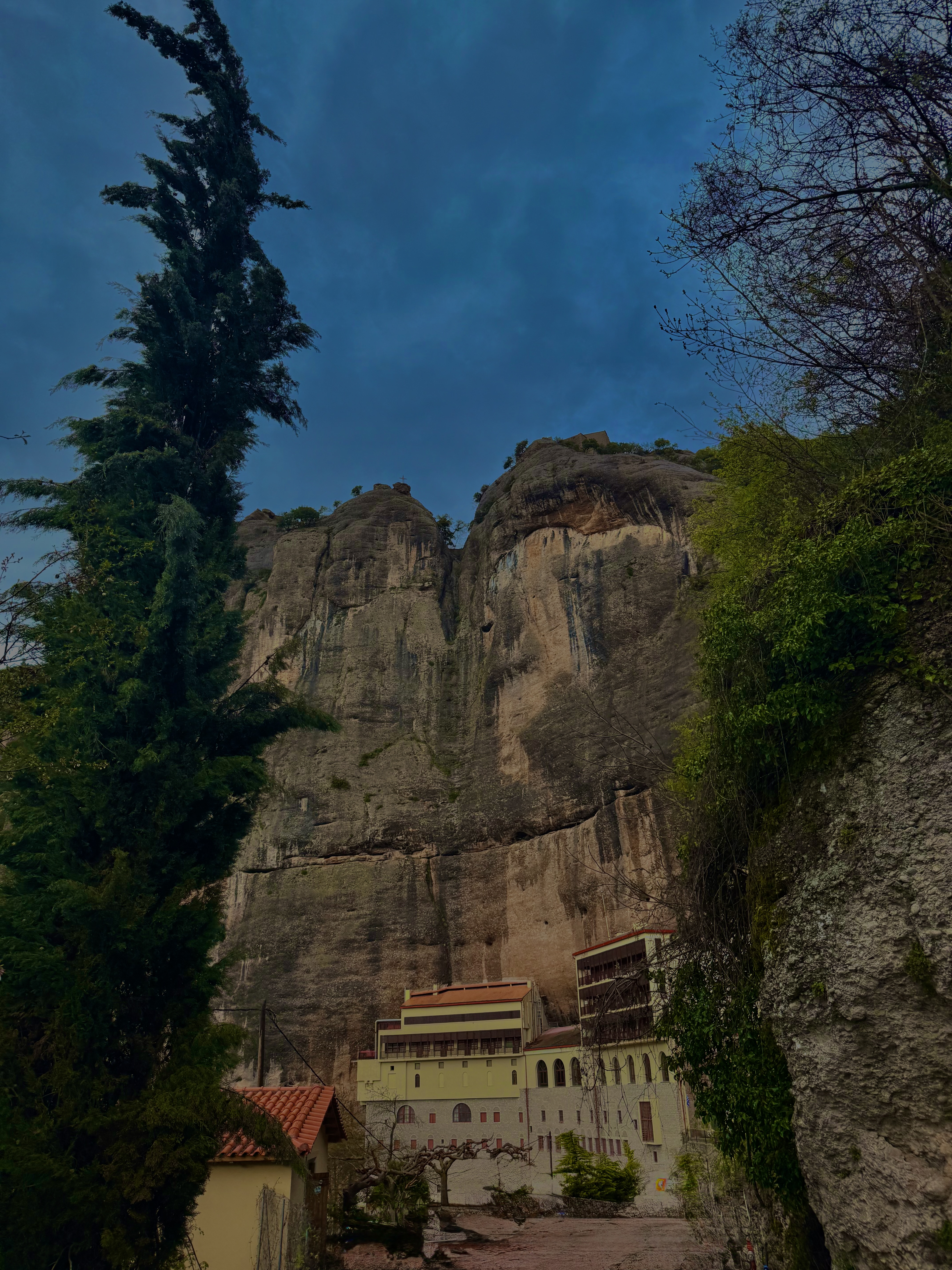
In the spring of 2025, I left everything behind and embarked on a six-month pilgrimage through the Orthodox world. I followed the ancient routes — the footsteps of Saints Cyril and Methodius, who carried the Slavonic liturgy from Moravia across the mountains to the Slavic peoples. The footsteps of Saint Paul at Corinth. Saint John at Patmos.
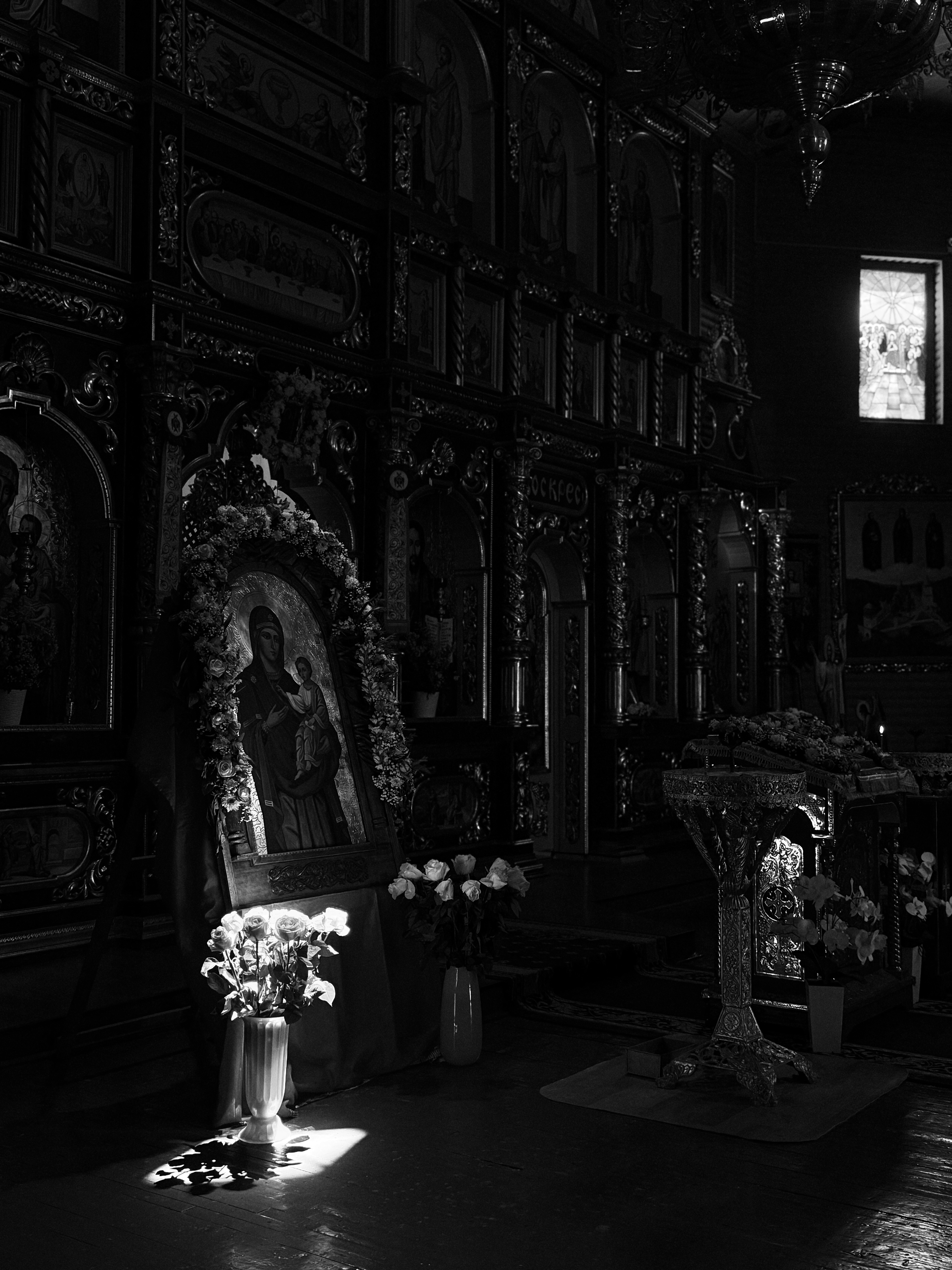
I visited hundreds of monasteries. I bathed in mineral springs that have been healing people since before anyone thought to write it down. I sat in churches carved from living rock. I walked through beech forests so old and so quiet that the silence itself felt like a presence, like something alive and watching and deeply, unconcernedly benevolent.
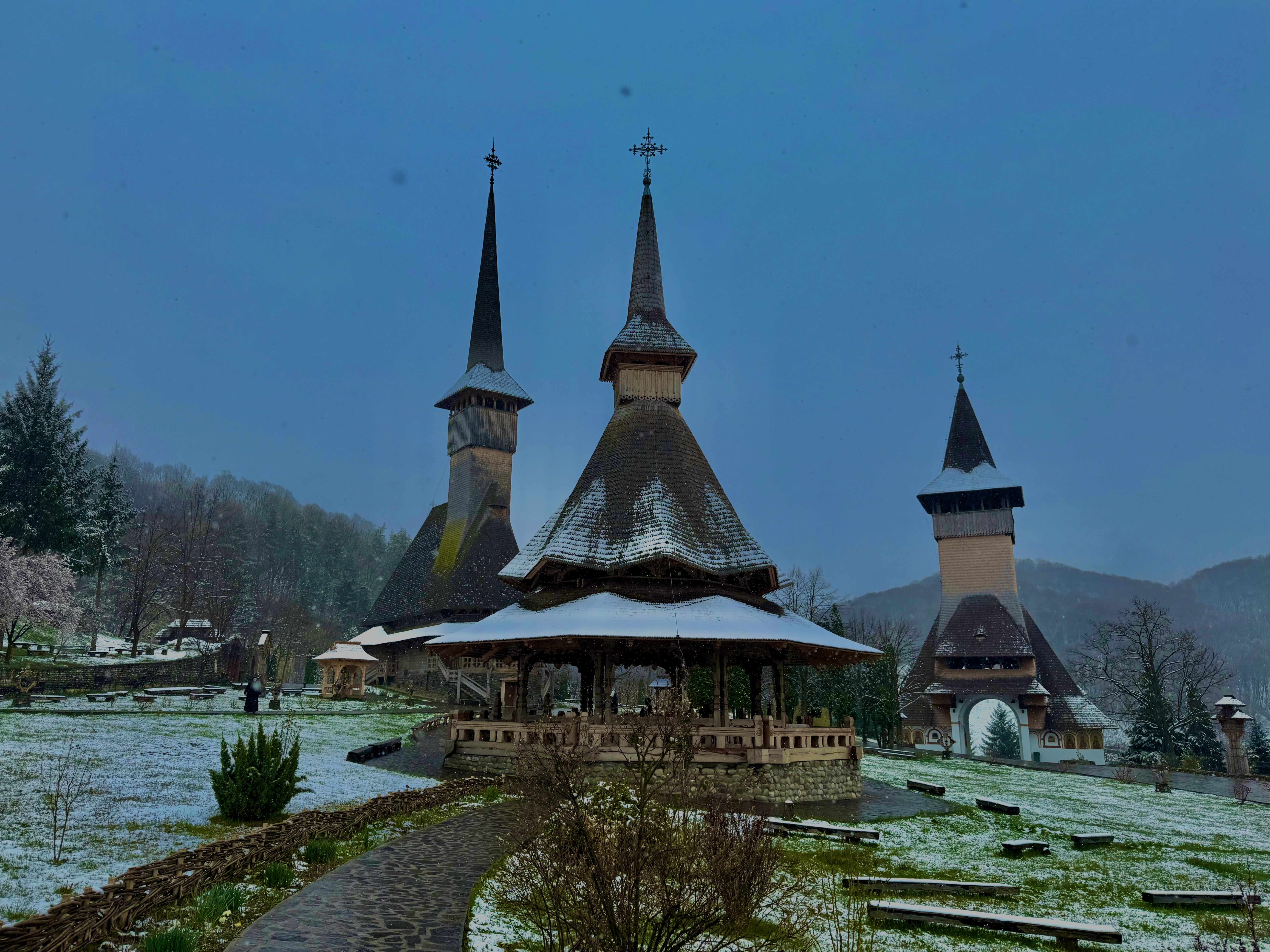
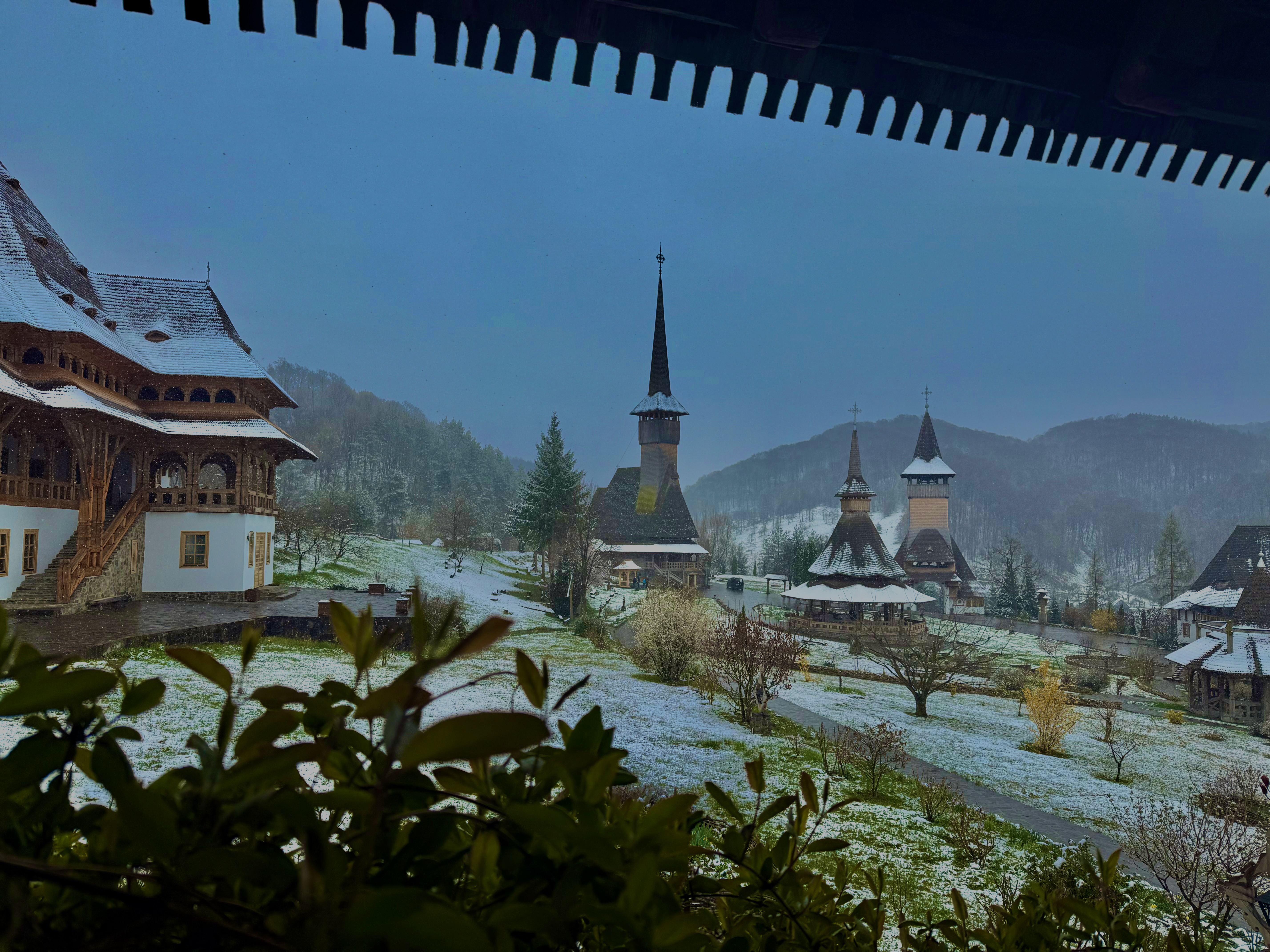
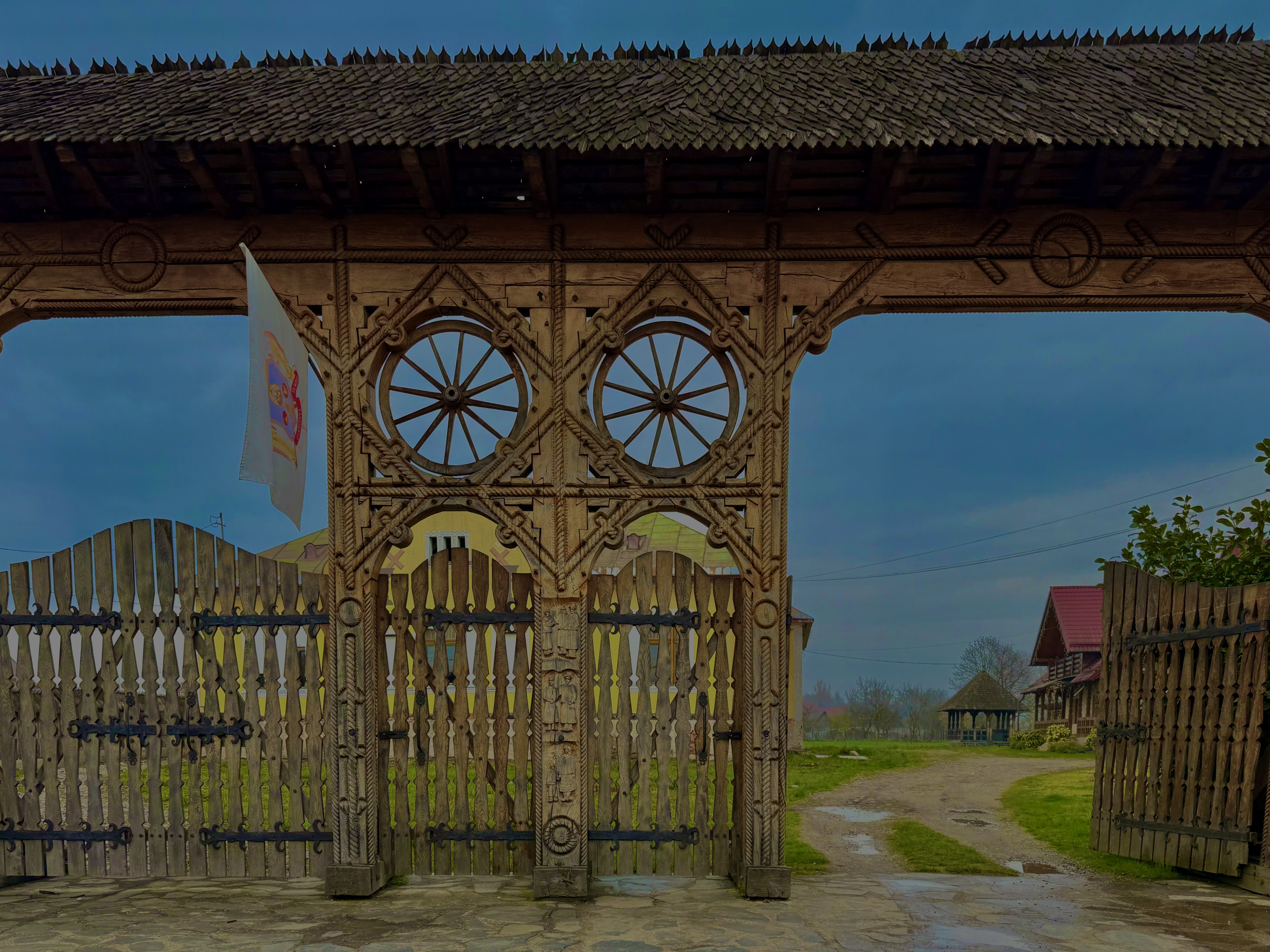
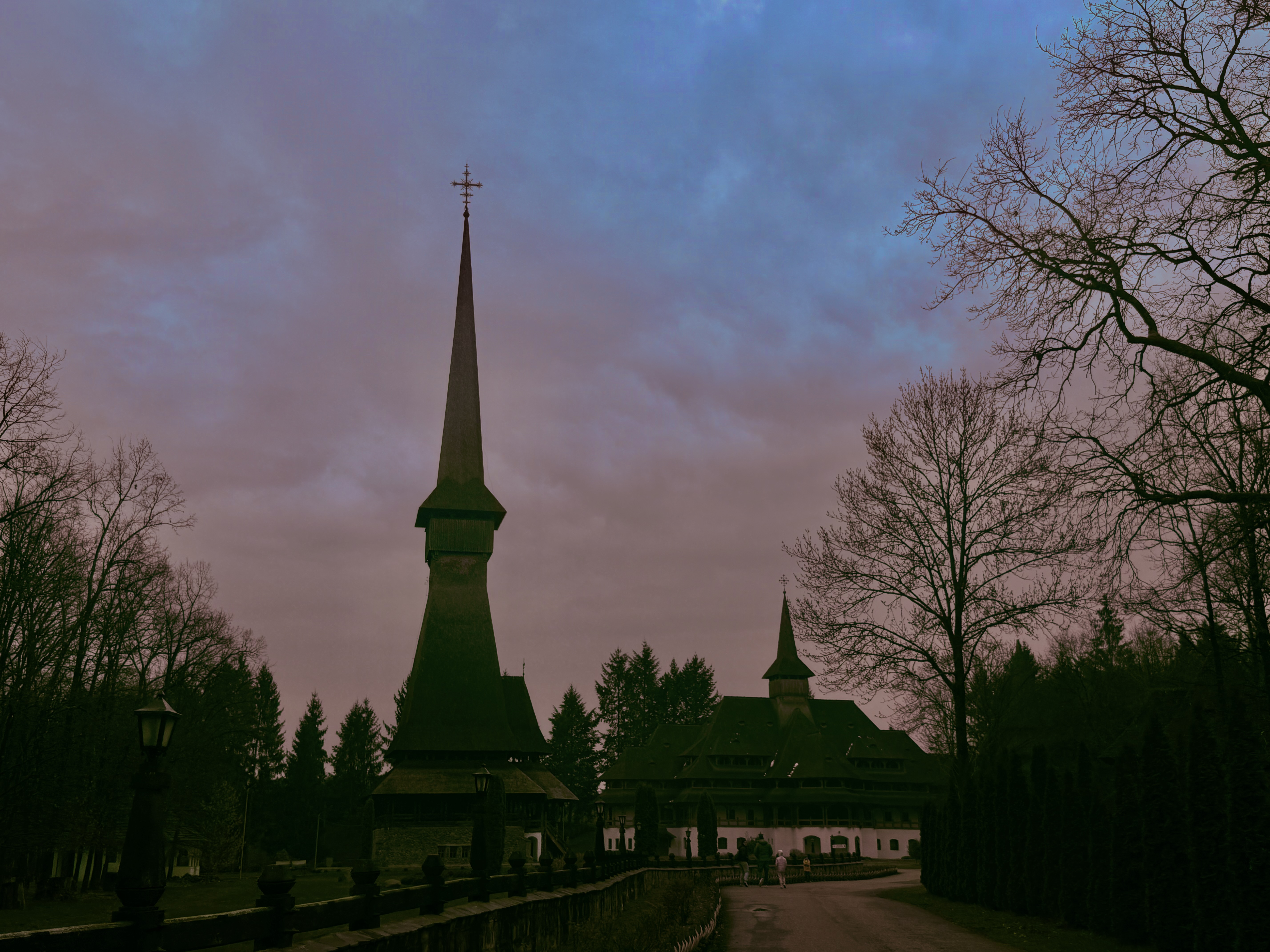
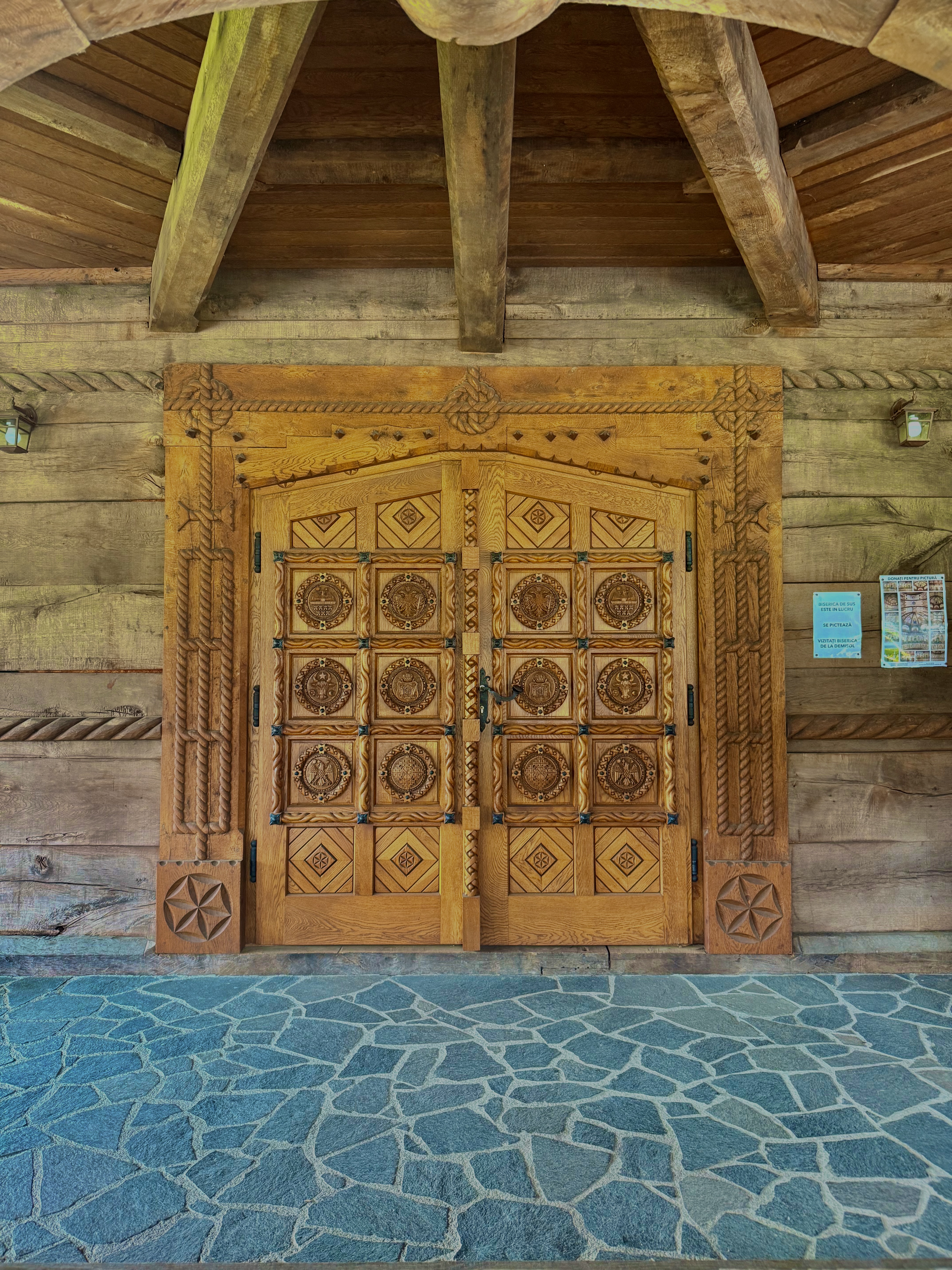
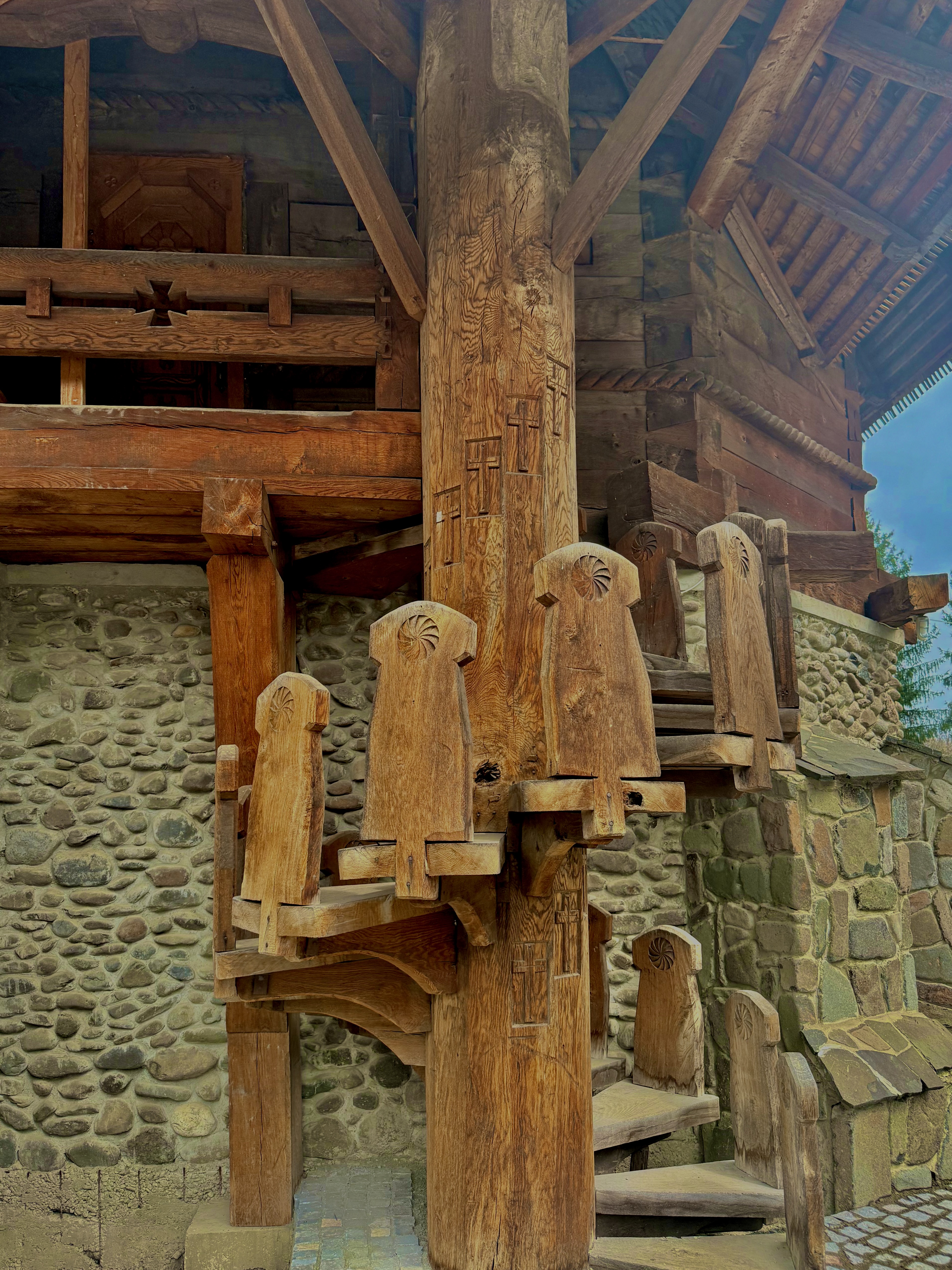
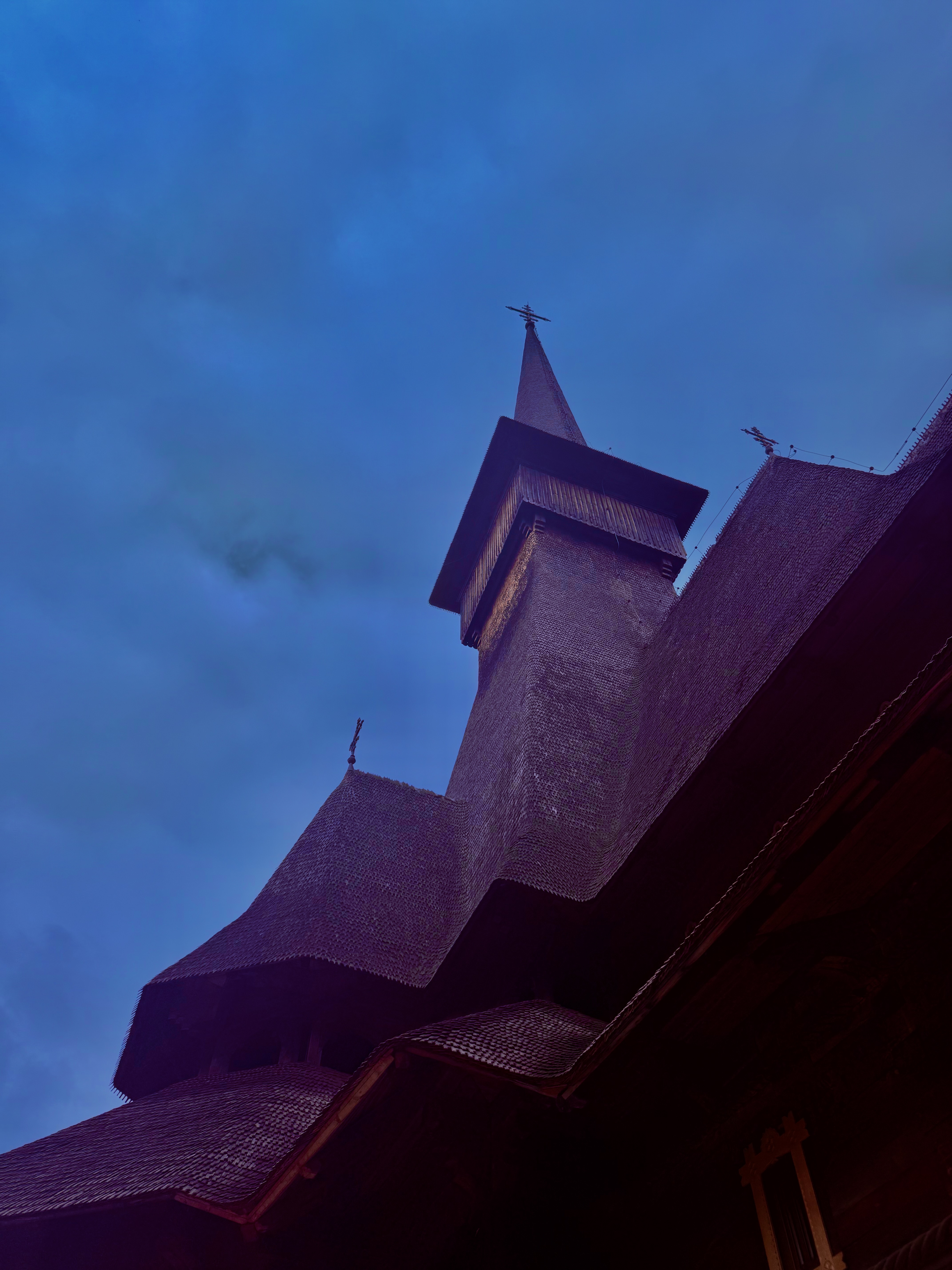
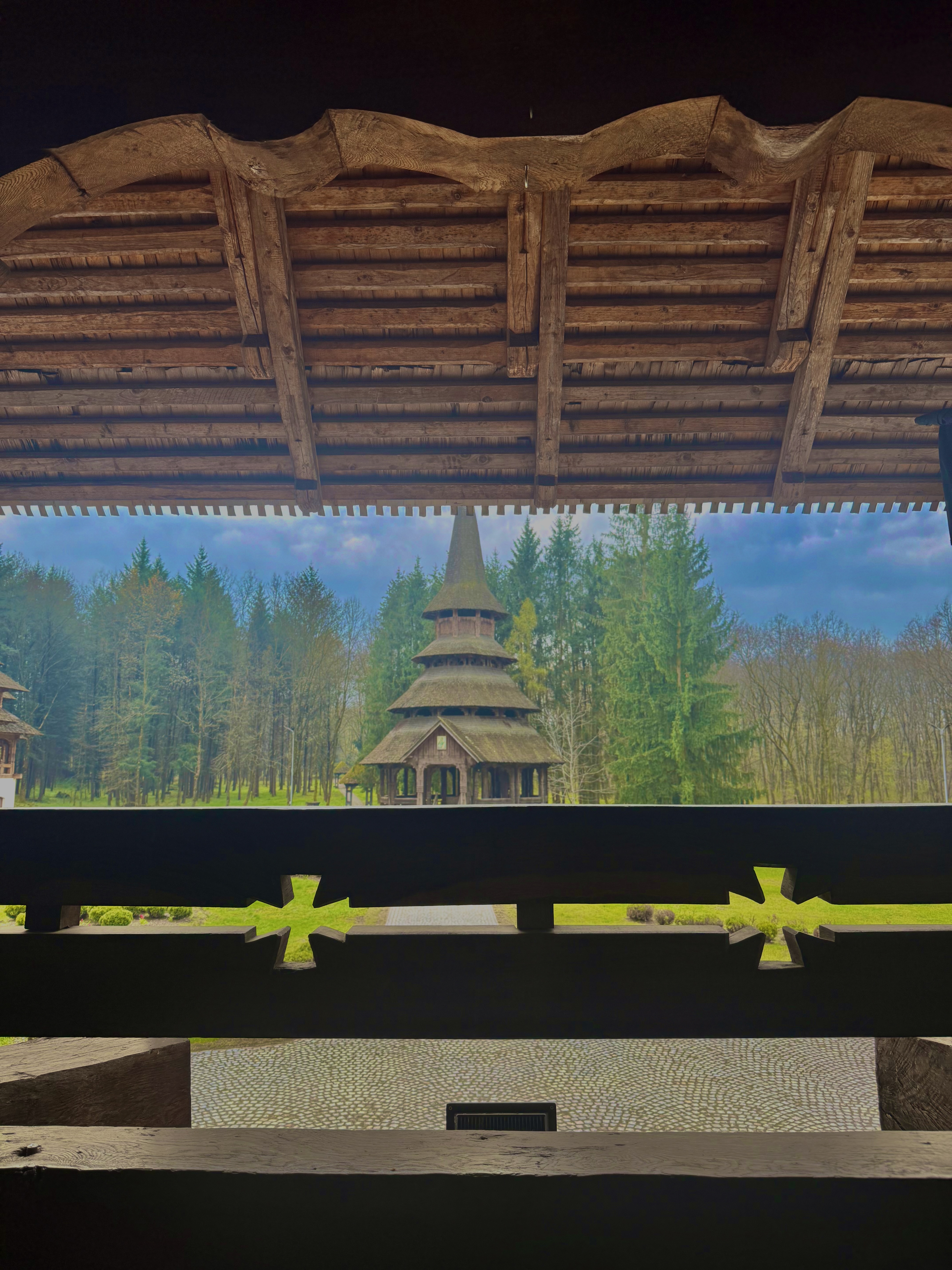
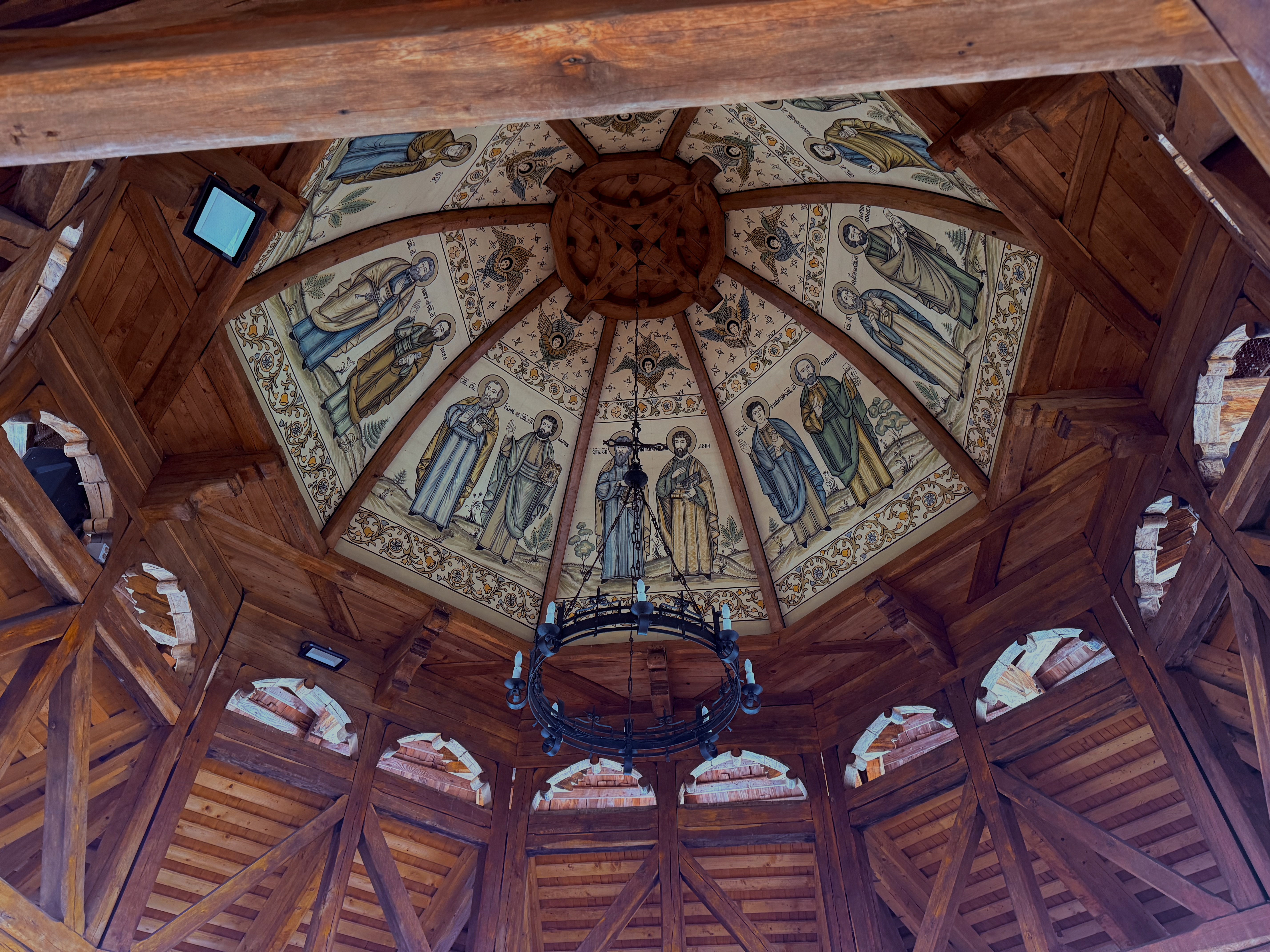
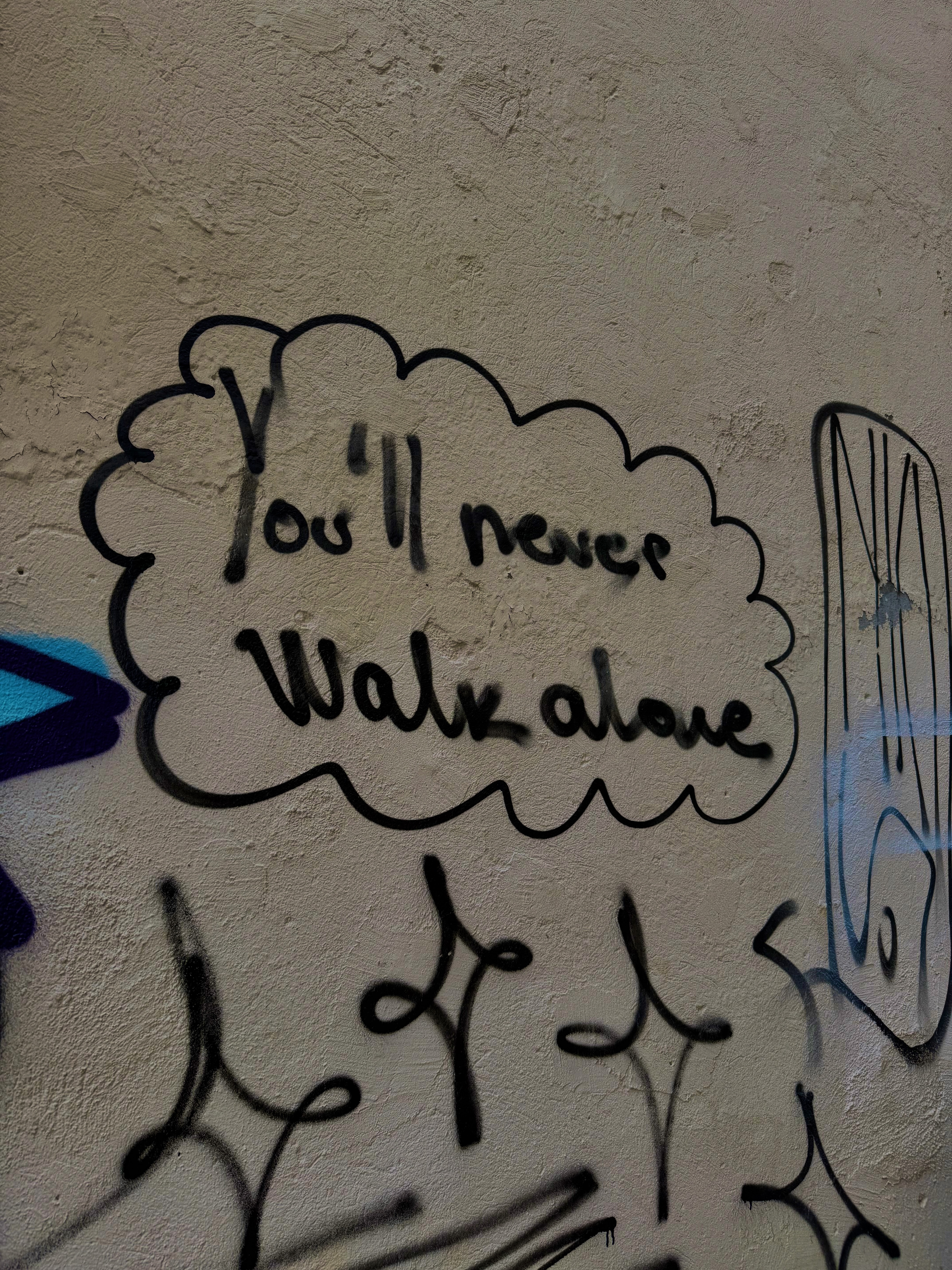
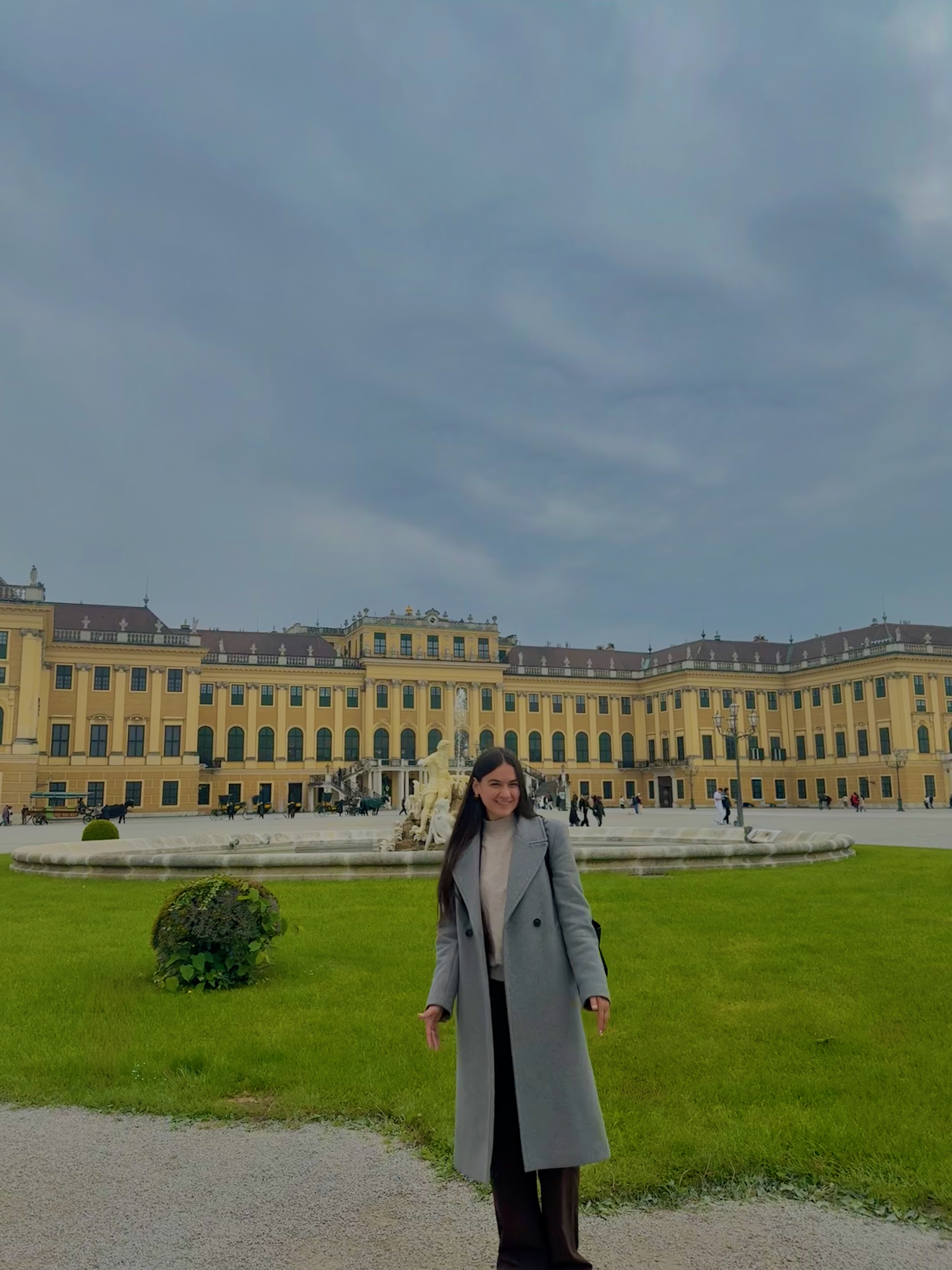
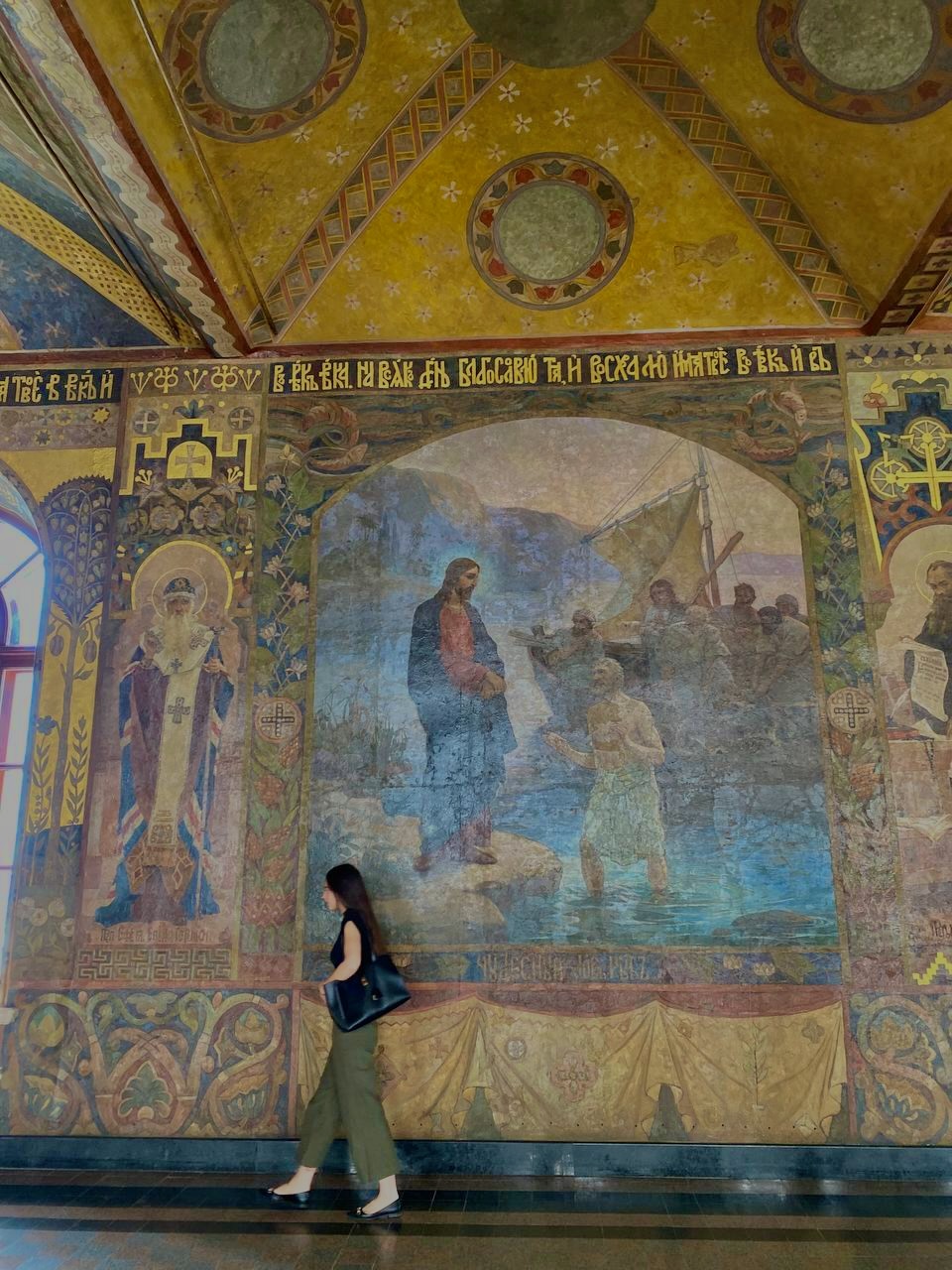
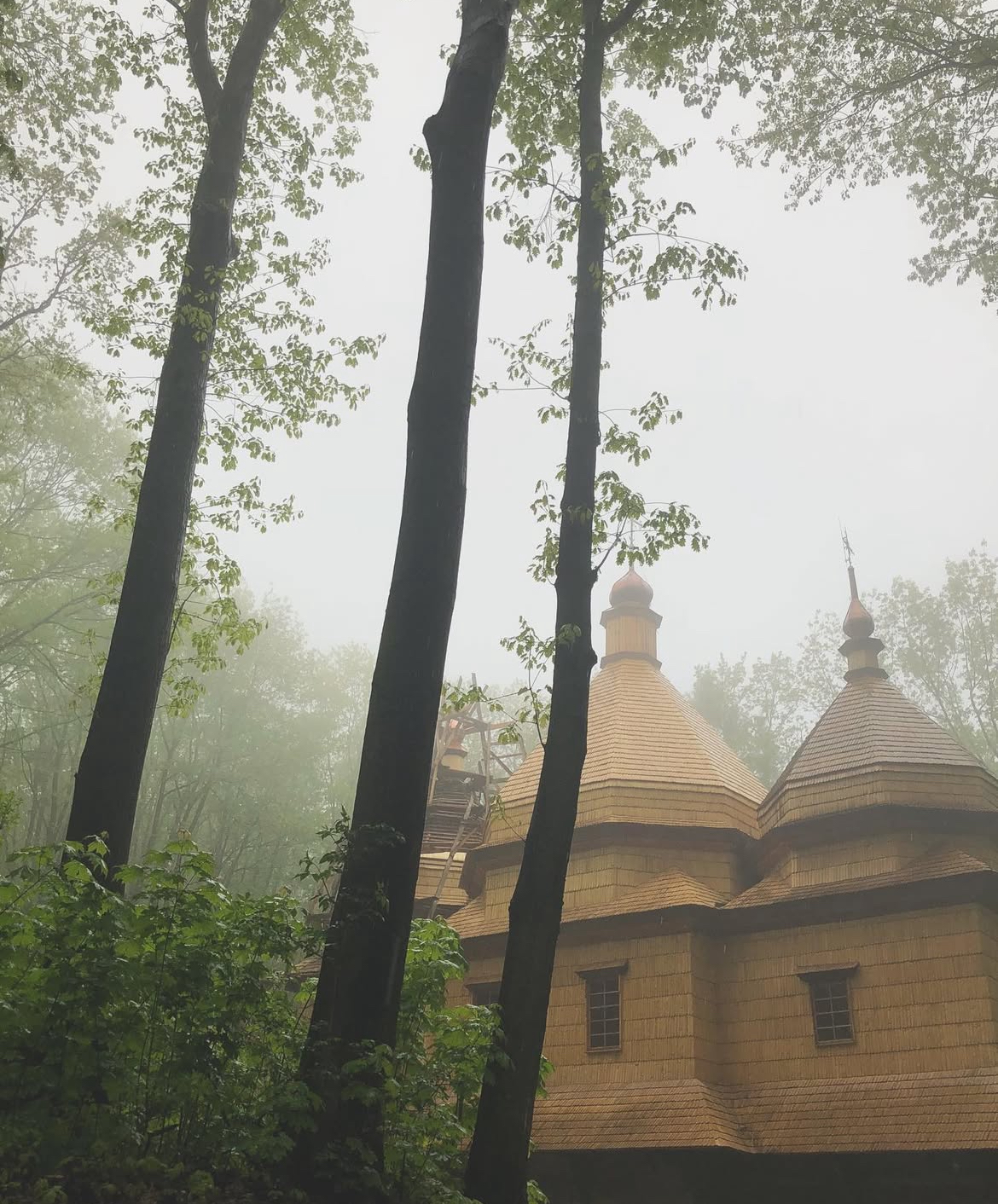
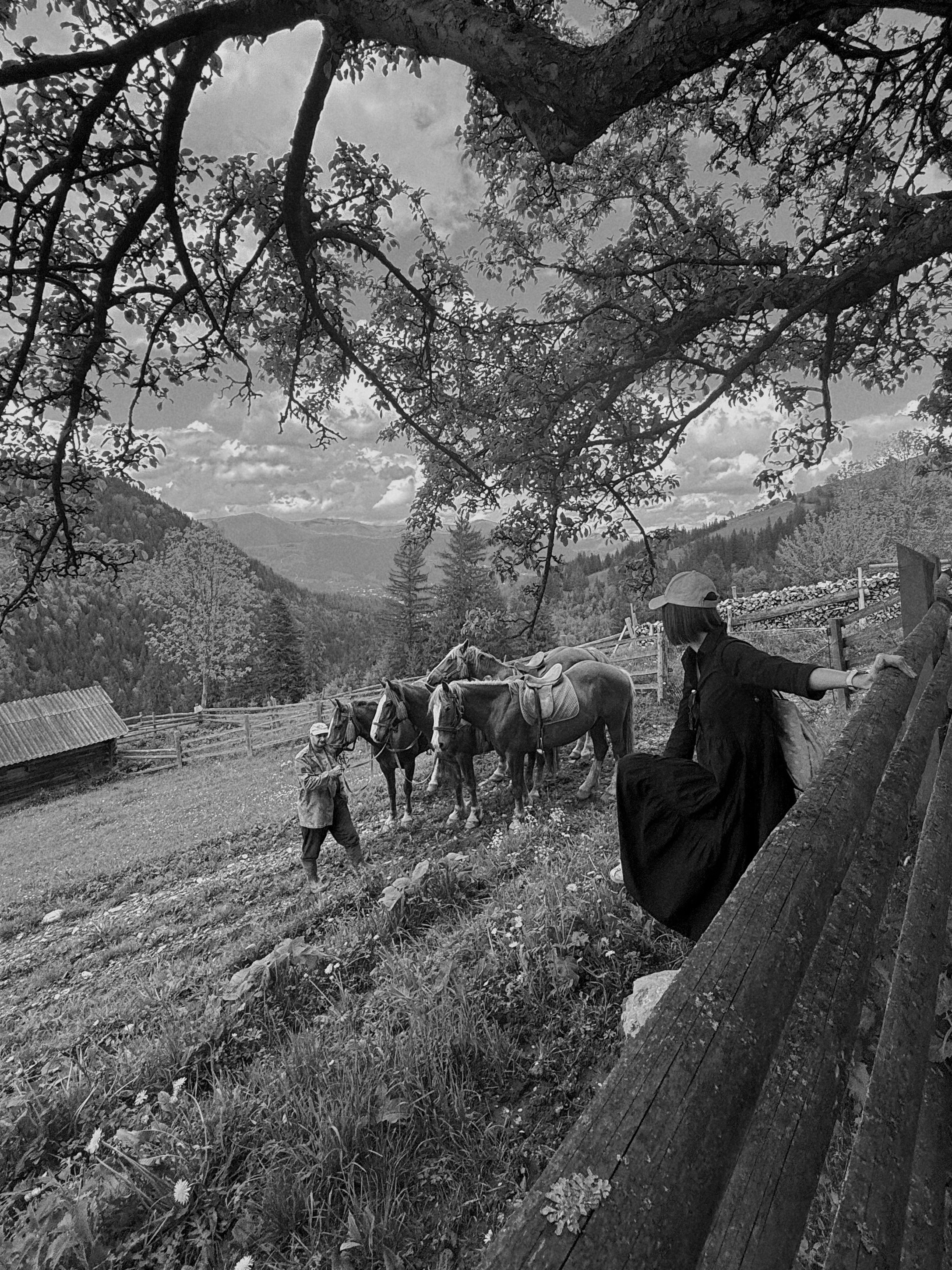
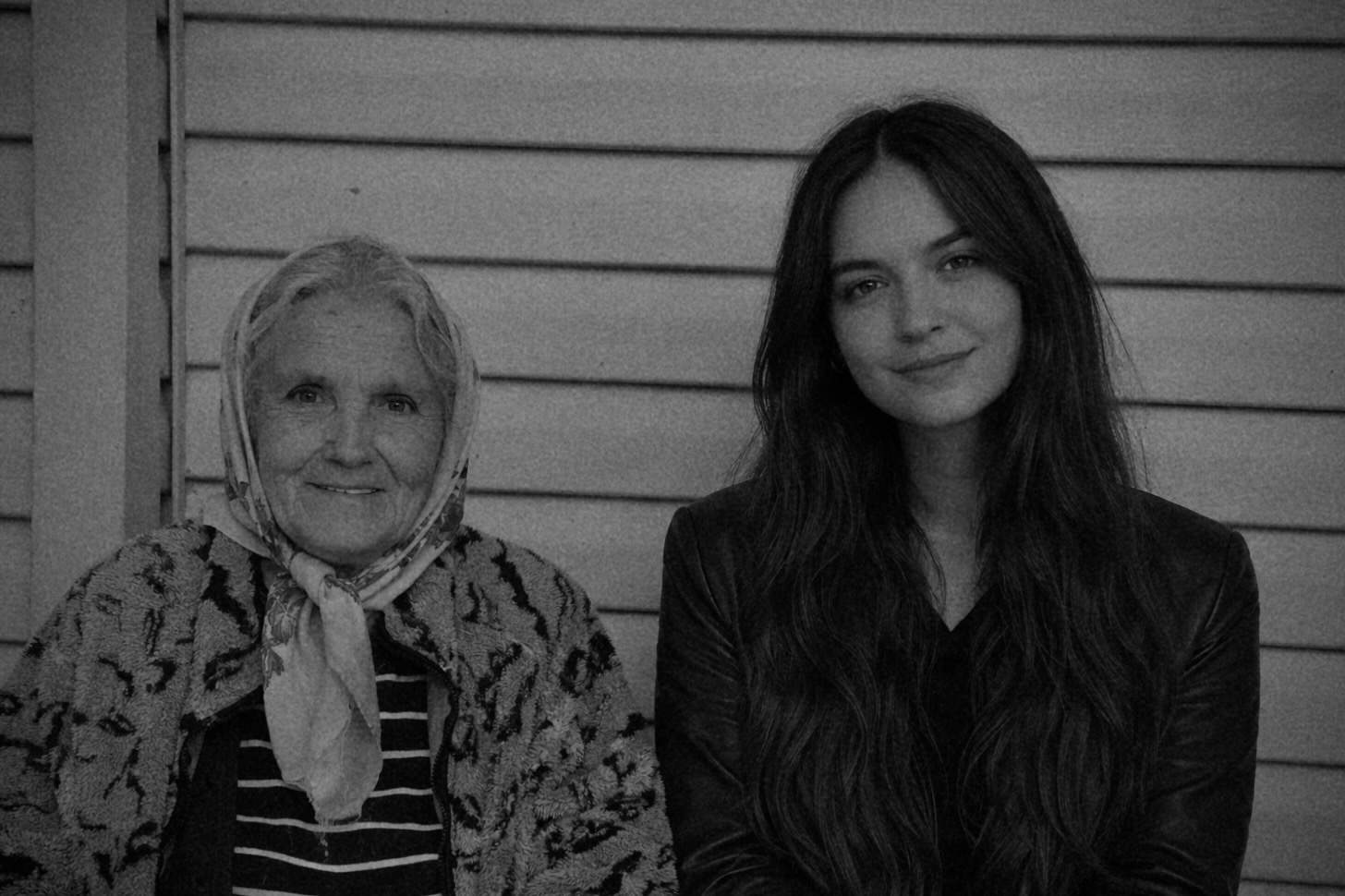
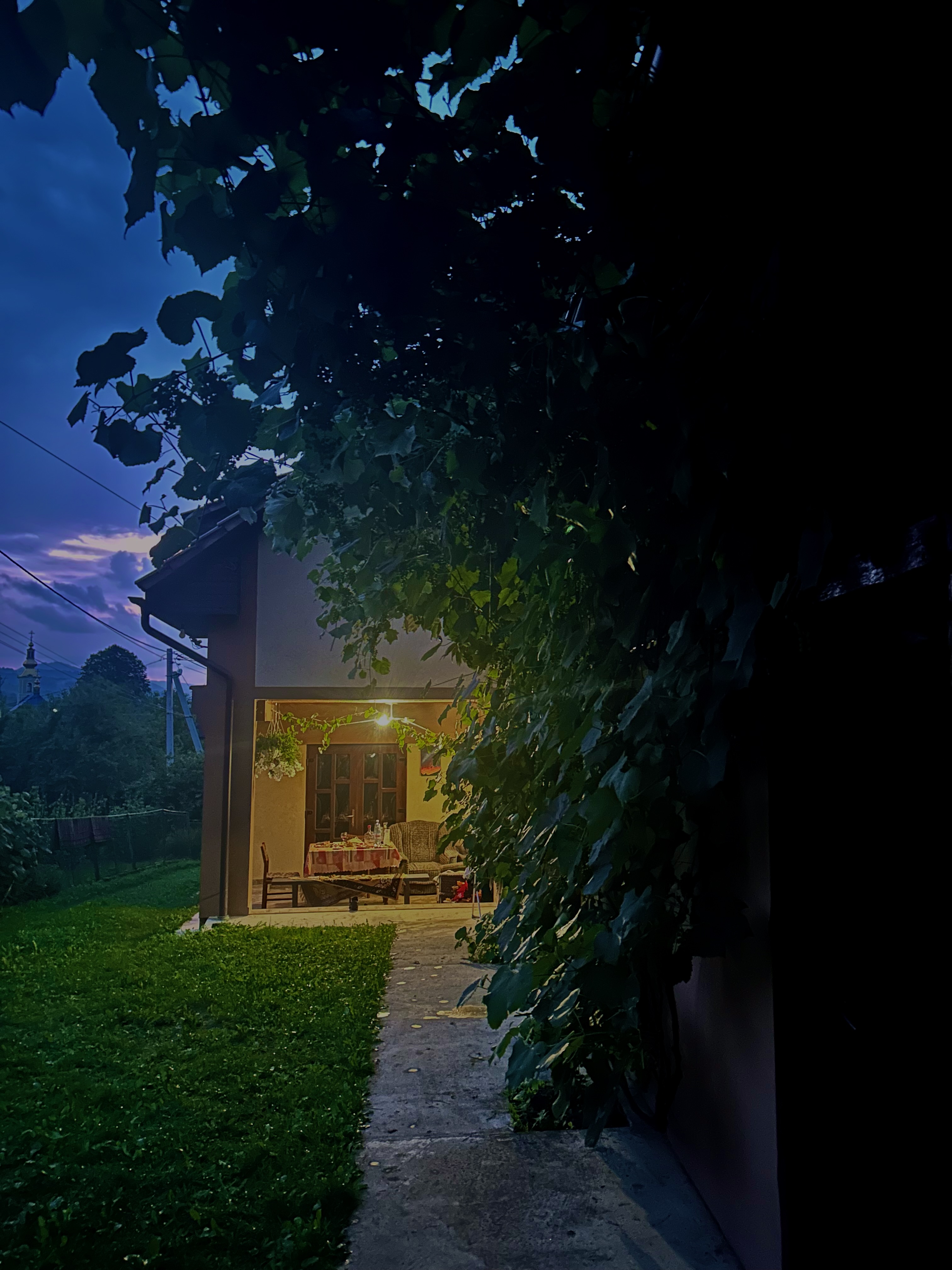
And everywhere I went in the Carpathians — Romania, Ukraine, Slovakia, Hungary, Poland — I found the same thing. The same frequency. The same unhurried wholeness. Villages where time moves in seasons, not in calendar notifications. Where bread is offered before you ask. Where the timber is joined by hand the way it has been joined for six centuries. Where the mysticism is not performative or self-conscious but simply the way things are, because when you live in mountains that old, the sacred is not something you go looking for. It finds you.
the return
I came back from that pilgrimage with a single, blazing certainty: the world needs what the Carpathians have. Not as a museum. Not as a theme park. Not as content for someone's Instagram story. But as a living, breathing invitation to remember what we abandoned when we decided that efficiency was more important than beauty, that productivity was more important than presence, that speed was more important than depth.
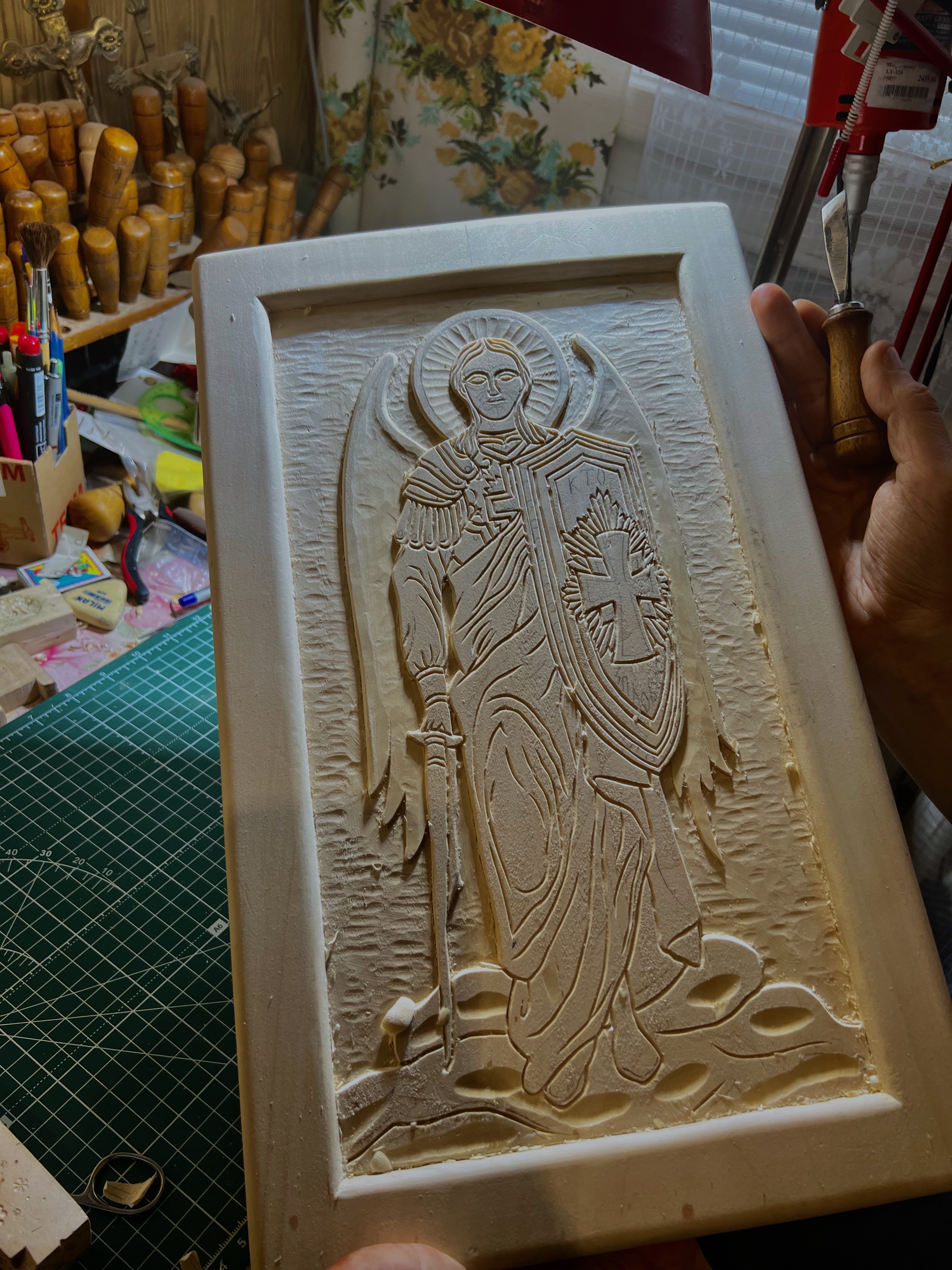
The Carpathian mountains are one of the last places on earth where an ancient way of life persists — not as a tourist attraction, but as an unbroken chain of knowledge, craft, and spiritual practice stretching back centuries. The Hutsul woodcarvers. The Lemko iconographers. The Boyko weavers. The herbal healers. The beekeepers. The builders who raise homes from timber and stone without a single nail. These are not quaint anachronisms. They are living masters of a civilization that the rest of the world threw away and is now desperately trying to buy back in the form of wellness retreats and mindfulness apps.
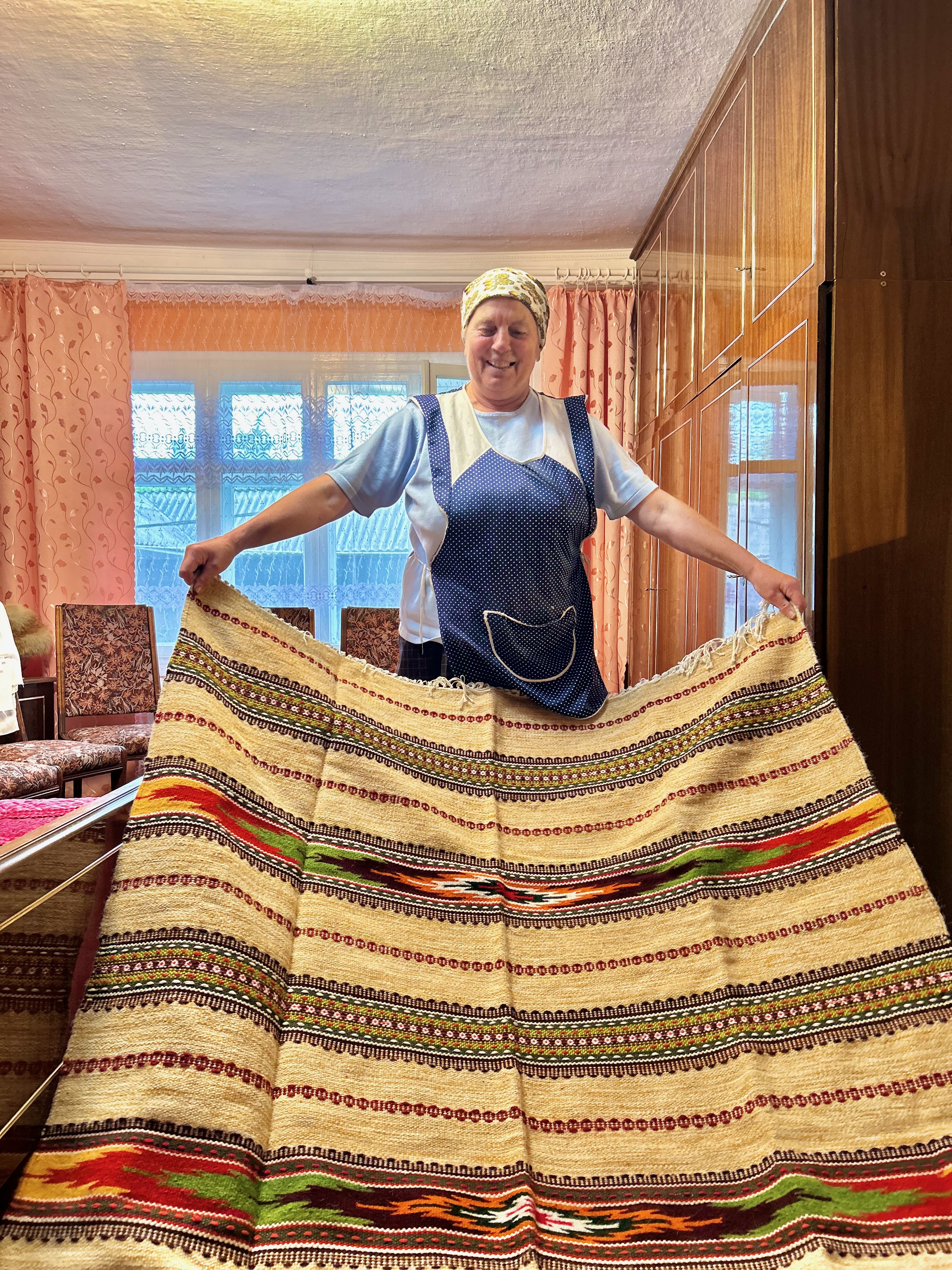
carpathique is not a resort. it is a threshold.
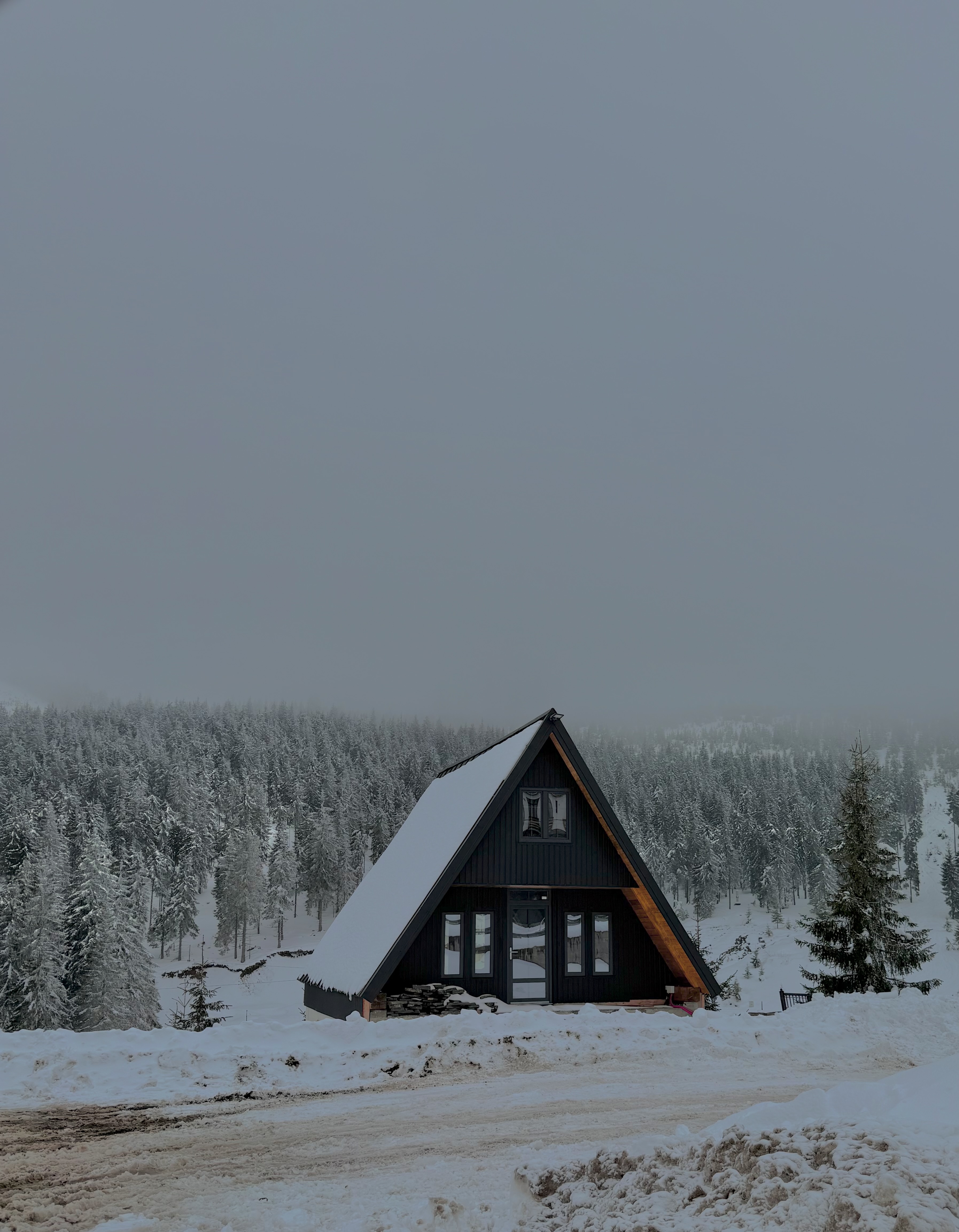
It is a place where the grandeur and the simplicity converge. Where you can experience the intellectual richness and noble beauty of a culture that produced some of the world's greatest musicians, mathematicians, and theologians, and in the same afternoon sit in a wooden чан — a traditional Carpathian hot tub fed by mountain spring water and heated over an open fire — while the forest does what the forest has always done, which is to remind you that you are very small and very temporary and that this is not a tragedy but a mercy.
I am building Carpathique because I believe that the modern world is starving for something it cannot name, and that the Carpathians have been quietly preserving the antidote for six hundred years. I am building it because the artisans and craftspeople of this region deserve a global platform that honors their work without cheapening it. I am building it because the Carpathian diaspora — the millions of us scattered across the Americas and Europe and Australia, carrying this same ache, speaking this same half-language of longing — deserves a place to come home to.
the invitation
Carpathique is not mine alone to build. It belongs to everyone who has ever felt the pull of these mountains, who has ever tasted that frequency and known, with a certainty that bypasses the rational mind entirely, that there is a way of living that the modern world has nearly extinguished but has not — not yet — managed to kill.
I am looking for partners, patrons, and believers. People who understand that the most valuable things in the world cannot be optimized or scaled or disrupted. People who want to invest not just capital but conviction in the idea that beauty matters, that craft matters, that the sacred matters, and that there is a place right here in the Appalachian mountains where all of these things have been waiting, patiently, for someone to build a door the world can walk through.
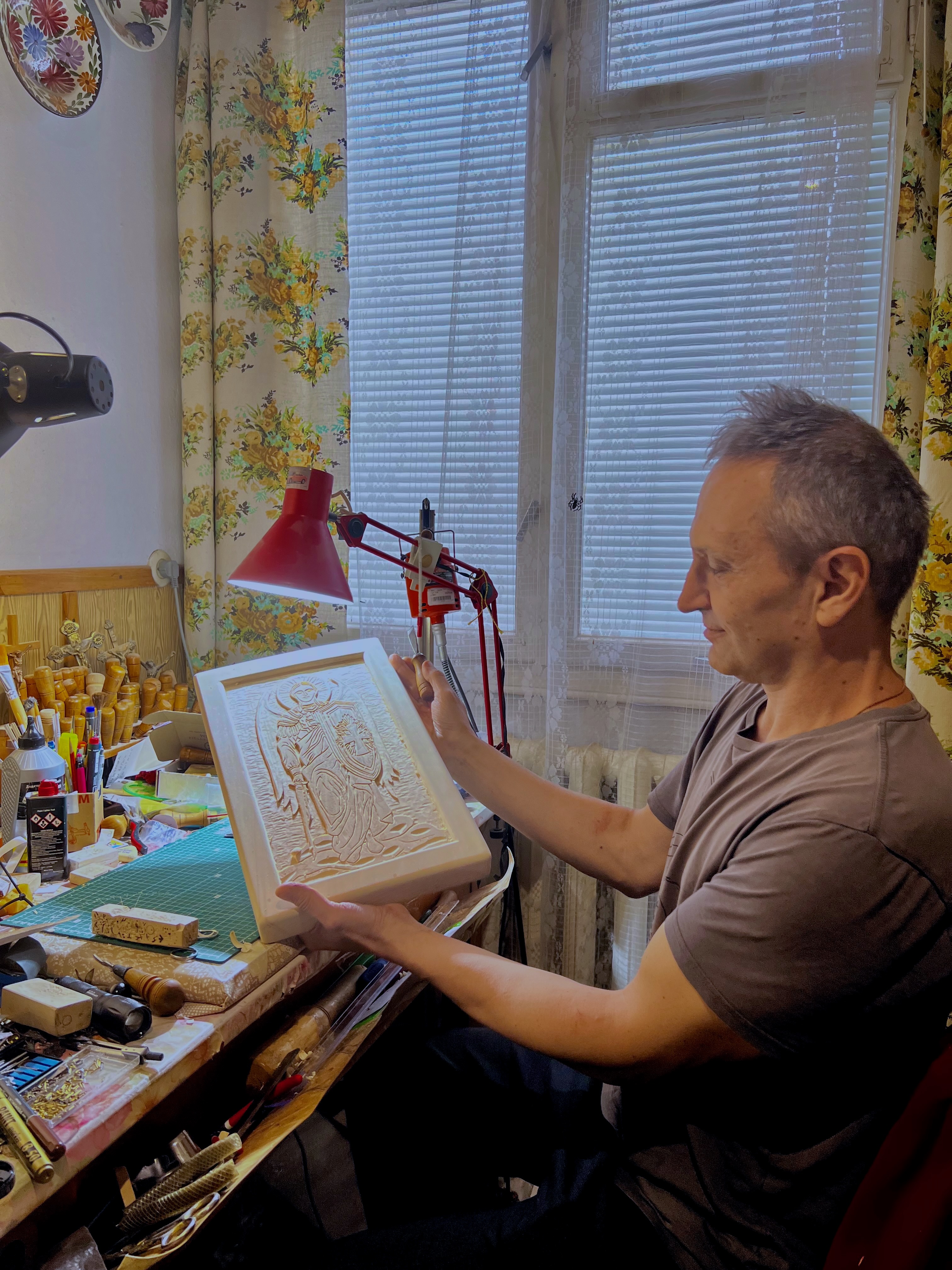
carpathique exists so you don't have to go looking anymore.
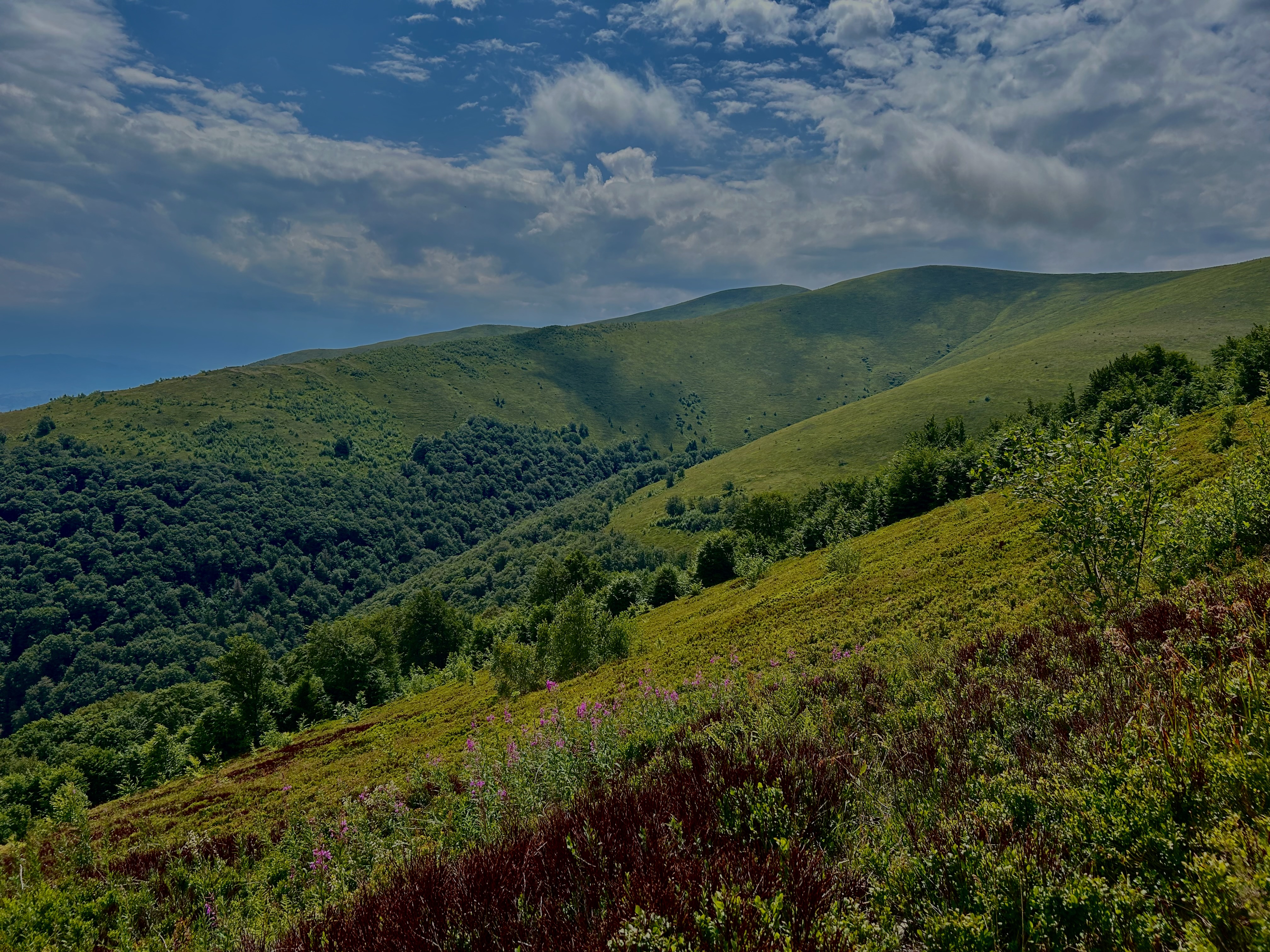
I spent twenty-seven years searching. Six months walking. A lifetime listening to a frequency I could not name. And then I came home to the mountains and the ache stopped. Not because the mountains gave me what I wanted. Because they showed me what I already had.